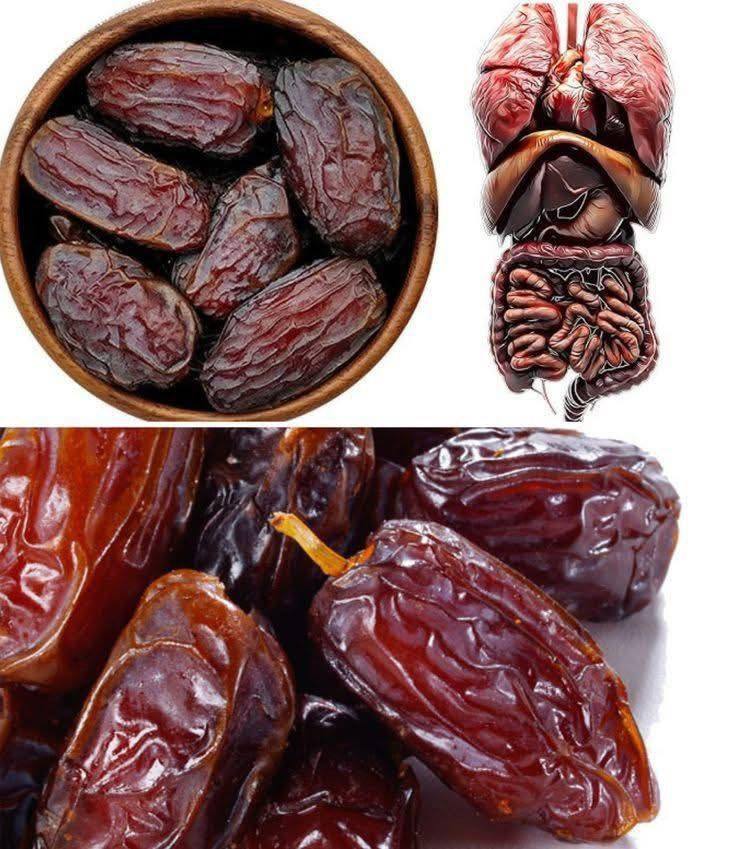
Here’s a detailed overview of the date palm:
What is a Date Palm?
The date palm (Phoenix dactylifera) is a tall, perennial palm tree known for producing sweet, edible fruits called dates. It belongs to the Arecaceae family and is cultivated widely in arid and semi-arid regions.
Key Characteristics
- Height: Can grow up to 75 feet (23 meters) tall.
- Leaves: Long, feather-like fronds that can reach 15–20 feet (4.5–6 meters).
- Fruit: Dates grow in large clusters; they vary in color from bright red to dark brown when ripe.
- Lifespan: Can live and produce fruit for up to 100 years under ideal conditions.
Growing Conditions
- Climate: Prefers hot, dry climates; thrives in deserts and areas with full sun.
- Soil: Well-drained sandy loam; tolerates saline soils better than many other crops.
- Water: Needs regular irrigation, especially during fruiting; drought-tolerant once established.
Uses of Date Palms
- Food:
- The primary use is dates, eaten fresh or dried.
- Dates are high in fiber, natural sugars, vitamins, and minerals.
- Agricultural & Industrial:
- Leaves can be used for weaving mats, baskets, and thatching.
- Seeds can be ground into animal feed or used in oil extraction.
- Cultural and Religious Significance:
- Dates are symbolic in Middle Eastern cultures and widely consumed during Ramadan.
- Landscaping:
- Often used in parks and avenues for ornamental purposes due to their majestic appearance.
Interesting Facts
- The date palm is dioecious, meaning there are separate male and female plants. Only female plants produce fruit when pollinated.
- Some date palms produce up to 200 pounds (90 kg) of dates per year.
- Dates have been cultivated for over 6,000 years, making the date palm one of the oldest cultivated fruit trees.
If you want, I can make a quick guide to growing your own date palm at home, including tips on planting, pollination, and harvesting small fruits—even in non-desert climates.
Do you want me to make that guide?
Here’s a detailed overview of the date palm:
What is a Date Palm?
The date palm (Phoenix dactylifera) is a tall, perennial palm tree known for producing sweet, edible fruits called dates. It belongs to the Arecaceae family and is cultivated widely in arid and semi-arid regions.
Key Characteristics
- Height: Can grow up to 75 feet (23 meters) tall.
- Leaves: Long, feather-like fronds that can reach 15–20 feet (4.5–6 meters).
- Fruit: Dates grow in large clusters; they vary in color from bright red to dark brown when ripe.
- Lifespan: Can live and produce fruit for up to 100 years under ideal conditions.
Growing Conditions
- Climate: Prefers hot, dry climates; thrives in deserts and areas with full sun.
- Soil: Well-drained sandy loam; tolerates saline soils better than many other crops.
- Water: Needs regular irrigation, especially during fruiting; drought-tolerant once established.
Uses of Date Palms
- Food:
- The primary use is dates, eaten fresh or dried.
- Dates are high in fiber, natural sugars, vitamins, and minerals.
- Agricultural & Industrial:
- Leaves can be used for weaving mats, baskets, and thatching.
- Seeds can be ground into animal feed or used in oil extraction.
- Cultural and Religious Significance:
- Dates are symbolic in Middle Eastern cultures and widely consumed during Ramadan.
- Landscaping:
- Often used in p
Here’s a detailed overview of the date palm:
What is a Date Palm?
The date palm (Phoenix dactylifera) is a tall, perennial palm tree known for producing sweet, edible fruits called dates. It belongs to the Arecaceae family and is cultivated widely in arid and semi-arid regions.
Key Characteristics
- Height: Can grow up to 75 feet (23 meters) tall.
- Leaves: Long, feather-like fronds that can reach 15–20 feet (4.5–6 meters).
- Fruit: Dates grow in large clusters; they vary in color from bright red to dark brown when ripe.
- Lifespan: Can live and produce fruit for up to 100 years under ideal conditions.
Growing Conditions
- Climate: Prefers hot, dry climates; thrives in deserts and areas with full sun.
- Soil: Well-drained sandy loam; tolerates saline soils better than many other crops.
- Water: Needs regular irrigation, especially during fruiting; drought-tolerant once established.
Uses of Date Palms
- Food:
- The primary use is dates, eaten fresh or dried.
- Dates are high in fiber, natural sugars, vitamins, and minerals.
- Agricultural & Industrial:
- Leaves can be used for weaving mats, baskets, and thatching.
- Seeds can be ground into animal feed or used in oil extraction.
- Cultural and Religious Significance:
- Dates are symbolic in Middle Eastern cultures and widely consumed during Ramadan.
- Landscaping:
- Often used in parks and avenues for ornamental purposes due to their majestic appearance.
Interesting Facts
- The date palm is dioecious, meaning there are separate male and female plants. Only female plants produce fruit when pollinated.
- Some date palms produce up to 200 pounds (90 kg) of dates per year.
- Dates have been cultivated for over 6,000 years, making the date palm one of the oldest cultivated fruit trees.
If you want, I can make a quick guide to growing your own date palm at home, including tips on planting, pollination, and harvesting small fruits—even in non-desert climates.
Do you want me to make that guide?
arks and avenues for ornamental purposes due to their majestic appearance.
- Often used in p
Interesting Facts
- The date palm is dioecious, meaning there are separate male and female plants. Only female plants produce fruit when pollinated.
- Some date palms produce up to 200 pounds (90 kg) of dates per year.
- Dates have been cultivated for over 6,000 years, making the date palm one of the oldest cultivated fruit trees.
If you want, I can make a quick guide to growing your own date palm at home, including tips on planting, pollination, and harvesting small fruits—even in non-desert climates.
Do you want me to make that guide?
