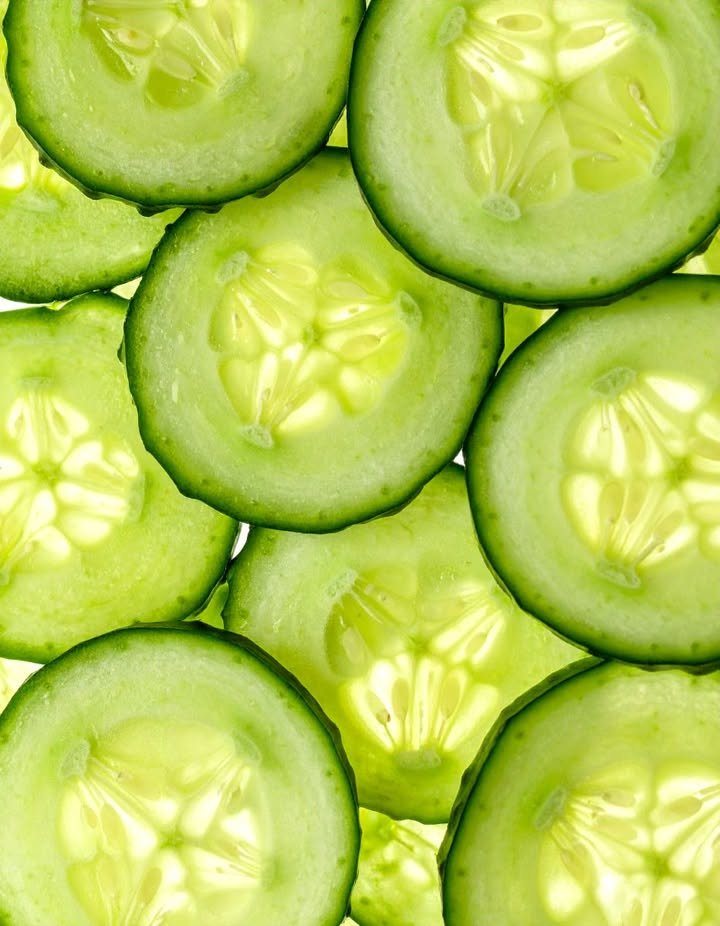
Here’s a quick overview of cucumbers (commonly thought of as a “vegetable”) with information from reliable nutrition and health sources:
🥒 What Is a Cucumber?
- Botanically, cucumbers are fruits (they develop from flowers and contain seeds), but in cooking and everyday use they’re treated as vegetables. (Healthline)
🥗 Nutritional Profile
Cucumbers are:
- Very high in water (~95–96%), which helps with hydration. (Healthline)
- Low in calories (around 8–45 calories per serving depending on size). (Healthline)
- Source of vitamins and minerals: especially vitamin K, vitamin C, potassium, and small amounts of magnesium and fiber. (Healthline)
💪 Health Benefits
- Hydration:
Because of their high water content, cucumbers help keep your body hydrated. (Healthline) - Supports Weight Management:
Low in calories and filling, they’re great in healthy diets. (Healthline) - Antioxidants:
Cucumbers contain compounds that may reduce oxidative stress. (Healthline) - Digestive Health:
Water + a bit of fiber may help digestion and prevent constipation. (Healthline) - Bone Health:
Vitamin K in cucumbers helps with blood clotting and bone health. (Medical News Today)
🥒 Common Uses
- Eaten raw in salads or with dips. (WebMD)
- Sliced in water or juices for extra hydration. (Health)
- Pickled to make pickles (a popular way to preserve and enjoy them). (WebMD)
🍽️ Tips
- Eating the skin provides more fiber and nutrients. (Healthline)
- Wash thoroughly before eating to remove dirt or residues. (WebMD)
If you want, I can also share recipes using cucumber or how to grow cucumbers at home. Just let me know!
