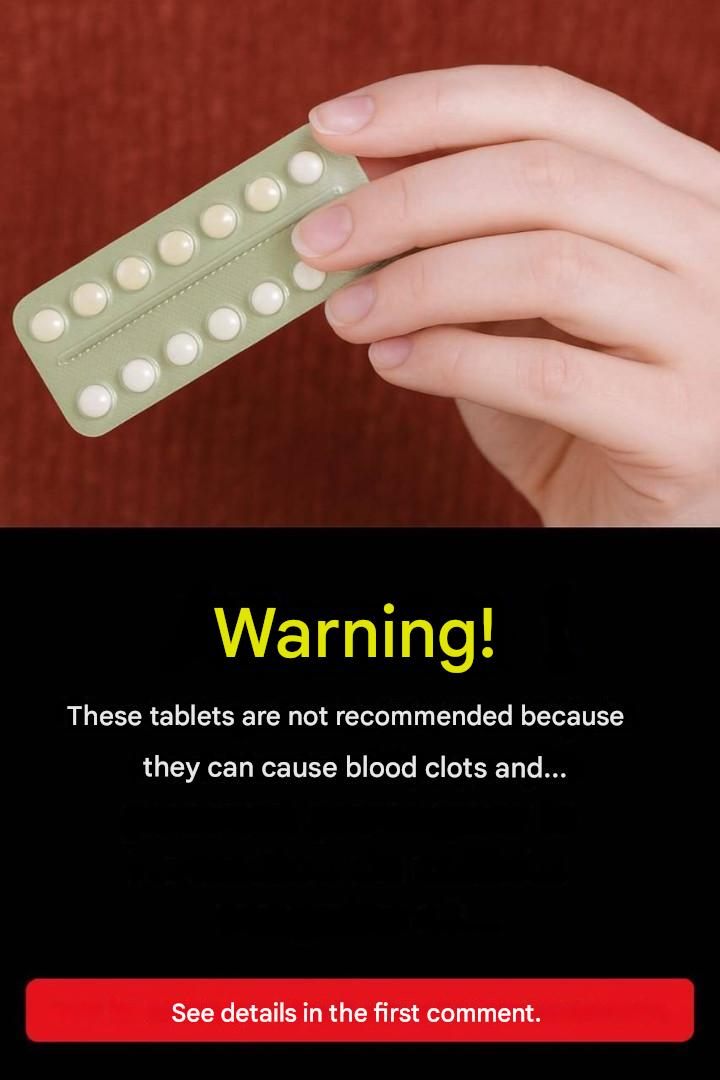
Contraceptive pills (often called birth control pills) are medications taken by women to prevent pregnancy. They contain hormones that control ovulation and changes in the reproductive system. 💊
How Contraceptive Pills Work
They prevent pregnancy in three main ways:
- Stop ovulation (prevent the ovary from releasing an egg).
- Thicken cervical mucus, making it harder for sperm to reach the egg.
- Thin the uterine lining, making it harder for a fertilized egg to implant.
Types of Contraceptive Pills
1. Combined Pills
- Contain estrogen + progestin hormones.
- Taken daily for 21 days, followed by 7 placebo pills or a break.
2. Progestin-Only Pills (Mini-Pill)
- Contain only progestin.
- Often recommended for women who cannot take estrogen.
Benefits
- Highly effective when taken correctly (over 99% effective).
- Helps regulate menstrual cycles.
- May reduce period pain and heavy bleeding.
- Can help with acne and hormonal symptoms.
Possible Side Effects
Some women may experience:
- Nausea
- Breast tenderness
- Headaches
- Mood changes
- Spotting between periods
Most side effects improve after 2–3 months.
Important Safety Notes ⚠️
Contraceptive pills may not be suitable for women who:
- Smoke and are over 35
- Have a history of blood clots, stroke, or certain cancers
- Have uncontrolled high blood pressure
Always consult a doctor or healthcare provider before starting birth control.
✅ If you want, I can also explain:
- The best time to take contraceptive pills
- What happens if you miss a birth control pill
- Common myths about birth control pills.
