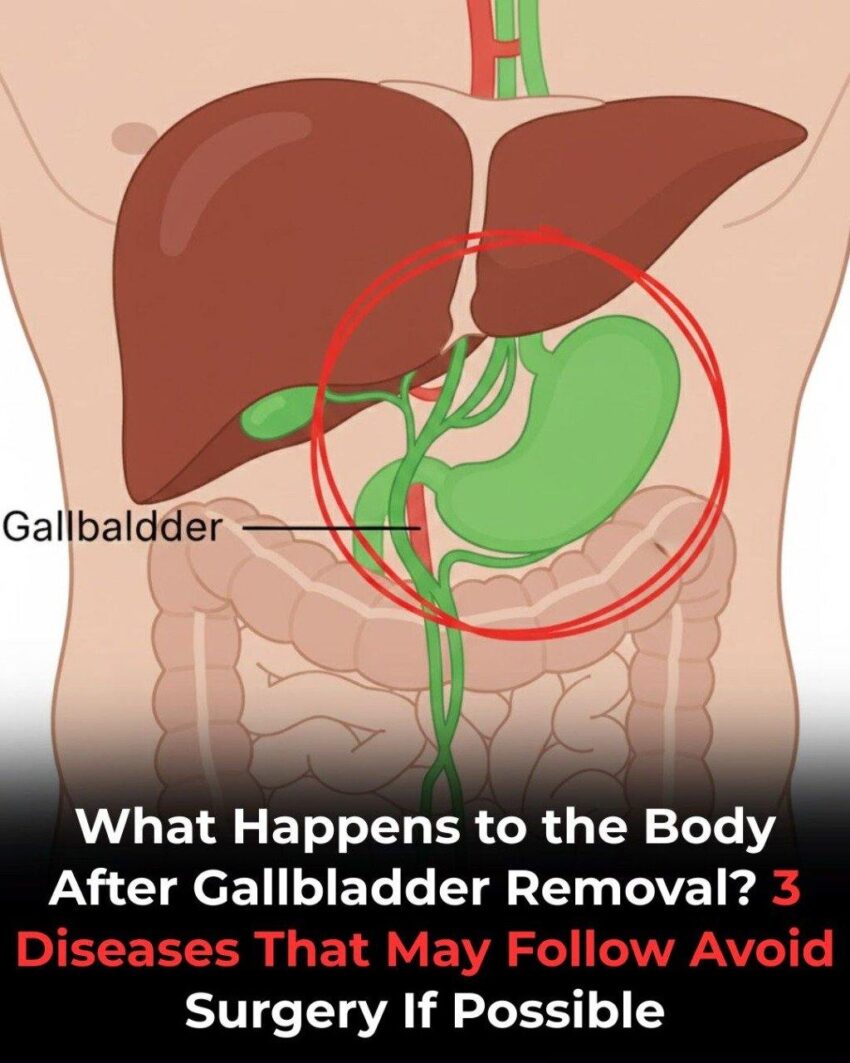
After gallbladder removal surgery (cholecystectomy), most people recover well, but the body does experience changes because the gallbladder, which stores bile, is no longer present. Here’s a thorough guide on what to expect and common conditions afterward:
1. Digestive Adjustments
- The liver still produces bile, but it flows directly into the small intestine instead of being stored.
- This can lead to:
- Loose stools or diarrhea (especially fatty meals)
- Bloating and gas
- Occasional indigestion or nausea
- Usually improves within a few weeks as the digestive system adapts.
2. Bile Reflux
- Some people experience acidic bile flowing into the stomach, causing:
- Upper abdominal pain
- Heartburn or nausea
- Bitter taste in the mouth
- Managed with dietary adjustments and sometimes medications like bile acid binders.
3. Changes in Fat Digestion
- Since bile is no longer released in a controlled, concentrated manner:
- High-fat meals may cause loose, greasy stools or discomfort.
- Low-fat diet initially helps the digestive system adjust.
4. Risk of Post-Cholecystectomy Syndrome (PCS)
- Symptoms that persist weeks or months after surgery include:
- Abdominal pain
- Bloating, nausea, or diarrhea
- Indigestion
- Usually mild, but occasionally requires medications or further evaluation.
5. Nutrient Absorption Concerns
- Most people absorb nutrients normally, but:
- Fat-soluble vitamins (A, D, E, K) may be slightly affected in some patients.
- Rarely, long-term fat malabsorption may require supplementation.
6. Potential Complications (Rare)
- Infection at incision site or internally
- Injury to bile ducts
- Bleeding
- Hernia at the incision site (more common with open surgery)
7. Lifestyle and Dietary Tips After Surgery
- Eat smaller, more frequent meals
- Reduce fatty, greasy, and spicy foods initially
- Drink plenty of water
- Slowly reintroduce fiber to avoid diarrhea
- Light exercise improves digestion and recovery
8. Long-Term Outlook
- Most people return to normal life within 1–2 weeks after laparoscopic surgery.
- Digestive issues usually improve within 3–6 months as bile flow stabilizes.
- Regular follow-ups help monitor for post-surgery symptoms and ensure liver and bile ducts are healthy.
If you want, I can create a practical post-gallbladder surgery diet and meal plan that helps reduce diarrhea, bloating, and discomfort while still being tasty.
Do you want me to do that?
