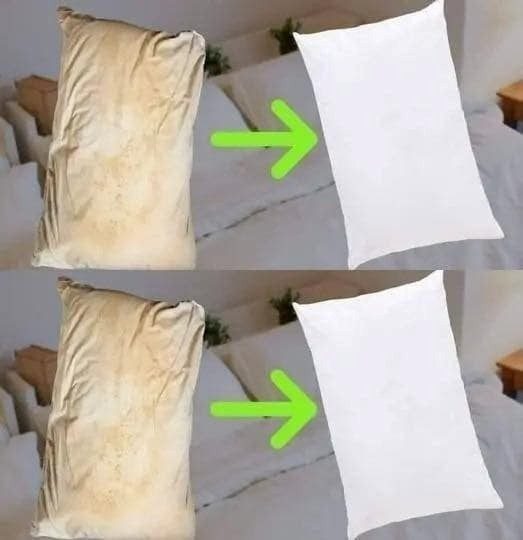
Cleaning dirty bed pillows is crucial not just for hygiene, but also for better sleep and allergy prevention. Here’s a clear guide depending on the pillow type:
1. Check the Care Label
- Always check the pillow’s tag for washing instructions.
- Some pillows are machine washable, others are dry-clean only or spot clean only.
2. Machine-Washable Pillows
Materials: Most cotton, polyester, or memory foam pillows (check carefully).
Steps:
- Remove pillowcases and covers.
- Wash 2 at a time (balances the washer).
- Use mild detergent; avoid bleach unless label allows.
- Choose warm or cold water on a gentle cycle.
- Extra rinse cycle helps remove all soap residue.
- Dry thoroughly:
- Tumble dry on low heat with dryer balls or clean tennis balls to fluff.
- Memory foam should air dry completely, never high heat.
3. Spot-Clean Only Pillows
- For down, feather, or foam pillows, mix mild detergent with water.
- Use a clean cloth or sponge to blot stains.
- Rinse with a damp cloth, then air dry completely in a ventilated area.
4. Regular Maintenance
- Wash pillowcases weekly.
- Fluff pillows daily to maintain shape.
- Sun-dry pillows occasionally to remove moisture and odors.
- Consider pillow protectors to extend life and keep them clean.
5. Signs Your Pillow Needs Replacing
- Lumpiness or loss of shape
- Persistent odors or stains
- Allergies or increased sneezing
- Typically, replace every 1–2 years for hygiene
If you want, I can also make a quick “natural cleaning hack for bed pillows” guide using just vinegar, baking soda, and sunlight—it works wonders for odors and mild stains.
Do you want me to do that?
