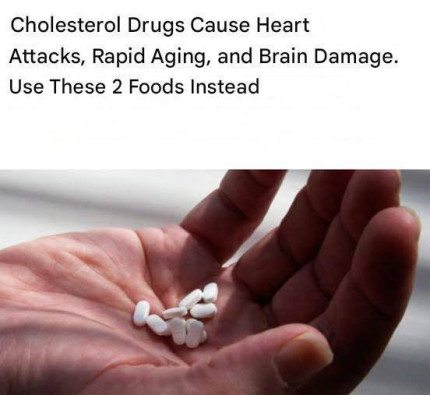
Claims that cholesterol-lowering drugs (especially statins) cause heart attacks, rapid aging, or brain damage are misleading and not supported by scientific evidence. Let’s carefully break it down.
Understanding Cholesterol Drugs
Statins are medications used to lower LDL (“bad”) cholesterol and reduce the risk of heart attacks and strokes. Common examples include atorvastatin, simvastatin, and rosuvastatin.
Proven Benefits
- Reduce heart attack and stroke risk in people with high cholesterol or existing cardiovascular disease
- Lower LDL cholesterol, slowing plaque buildup in arteries
- May have anti-inflammatory effects in blood vessels
Side Effects
Most people tolerate statins well, but some can experience:
- Muscle pain or weakness (mild, usually reversible)
- Digestive issues – nausea, constipation, diarrhea
- Mild liver enzyme changes – monitored by blood tests
Rare but serious side effects include:
- Severe muscle damage (rhabdomyolysis) – very uncommon
- Cognitive changes – memory issues are usually mild and reversible
Myths vs Facts
| Claim | Reality |
|---|---|
| Causes heart attacks | Statins prevent heart attacks; they do not cause them when used correctly |
| Rapid aging | No credible evidence that statins accelerate aging |
| Brain damage | Rare cognitive side effects exist, but long-term studies show no significant brain harm |
Safe Use Guidelines
- Take exactly as prescribed
- Monitor cholesterol, liver function, and muscle health
- Combine with healthy diet, exercise, and lifestyle changes for best results
💡 Bottom Line: Statins are life-saving for many at risk of cardiovascular disease. Serious side effects are uncommon. Concerns should always be discussed with a healthcare professional, rather than relying on exaggerated claims.
I can also provide a balanced guide comparing statins, natural alternatives, and lifestyle changes for cholesterol management if you want.
