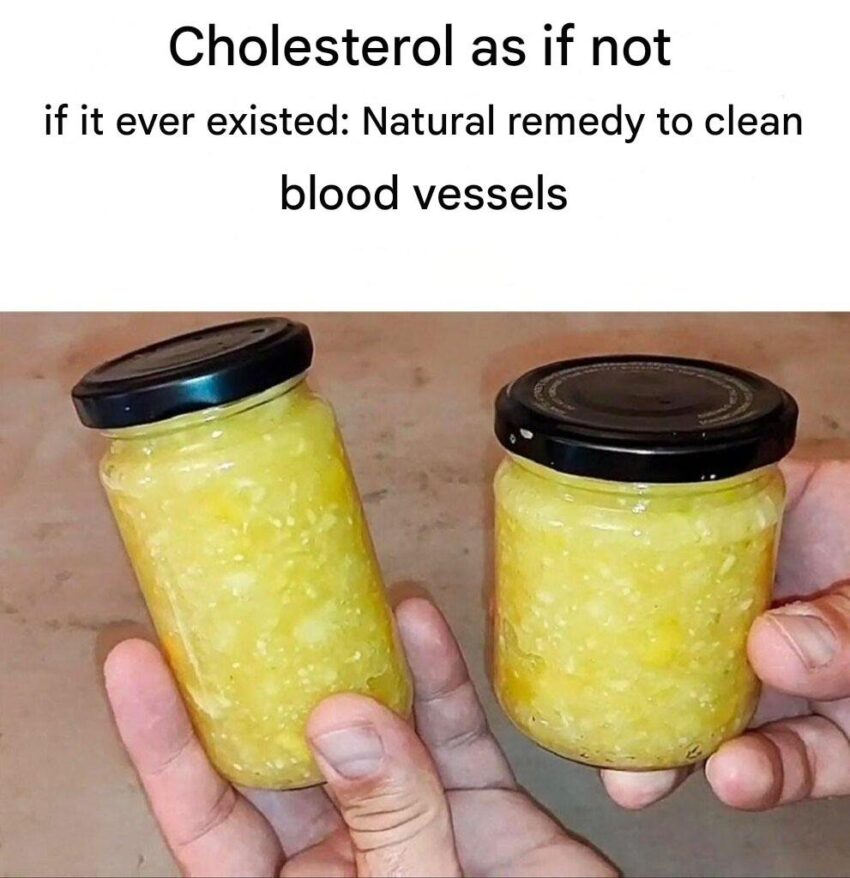
🧠 Understanding Cholesterol Naturally
Cholesterol is a vital molecule your body uses for cell membranes, hormones, and digestion. But when LDL (“bad”) cholesterol gets too high, it can build up in blood vessels and increase heart disease risk. That’s where diet, exercise, and lifestyle come in — managing cholesterol naturally focuses on reducing harmful LDL and supporting HDL (“good”) cholesterol without medication. (The Economic Times)
🌱 1. Eat More Soluble Fiber
Soluble fiber binds cholesterol in the digestive tract, helping your body remove it instead of absorbing it into your bloodstream. (Healthcare Business Club)
Great sources:
- Oats and barley
- Beans and lentils
- Apples, pears, citrus fruits
- Vegetables like carrots and Brussels sprouts
✨ Tip: Aim for at least 5–10 g of soluble fiber daily — a bowl of oatmeal provides several grams right away. (Apollo 24|7)
🥑 2. Choose Heart‑Healthy Fats
Swapping out saturated and trans fats for unsaturated “good” fats can lower LDL and support overall heart health. (Harvard Health)
Sources to include:
- Olive oil, avocado oil, canola oil
- Avocados, nuts & seeds (flaxseed, walnuts, chia)
- Fatty fish like salmon, mackerel, sardines for omega‑3s
Replacing butter, fatty meats, and fried foods with these options makes a real difference. (Harvard Health)
🌿 3. Natural Compounds & Herbs
Several plant‑based foods and herbs contain compounds that may help reduce cholesterol: (www.ndtv.com)
- Garlic: May help lower LDL when eaten regularly.
- Flaxseed: High in omega‑3 ALA and soluble fiber.
- Turmeric (curcumin): Anti‑inflammatory, supports liver health.
- Coriander seeds: Antioxidants that may help improve lipid balance.
- Green tea: Catechins can modestly lower LDL.
These foods fit easily into a healthy diet — but they complement lifestyle changes, not replace them. (The Times of India)
🍎 4. Plant Sterols & Psyllium
- Plant sterols/stanols (found in nuts, seeds, legumes) block cholesterol absorption. (WebMD)
- Psyllium husk — a soluble fiber — is shown to lower LDL when included daily. (Healthline)
Some fortified foods also add these compounds to help cholesterol levels.
🚶 5. Regular Physical Activity
Exercise boosts “good” HDL cholesterol and helps lower LDL naturally:
- 30 minutes of brisk walking most days can improve your lipid profile.
- Activities like cycling, swimming, or jogging add extra benefit. (Healthline)
Staying active isn’t just good for cholesterol — it improves overall heart and metabolic health.
⚖️ 6. Maintain a Healthy Weight
Even modest weight loss (5–10 % of body weight) can significantly lower LDL levels. Healthy eating + activity helps you reach and maintain that goal. (The Economic Times)
🚭 7. Quit Smoking & Eat Whole Foods
- Smoking lowers HDL and damages blood vessels — quitting helps cholesterol go in the right direction. (The Economic Times)
- Whole, unprocessed foods — vegetables, fruits, legumes, lean proteins — reduce intake of trans fats and harmful additives linked with high cholesterol. (The Times of India)
🍽️ Practical Daily Tips
✨ Start your day with oatmeal or a high‑fiber bowl.
✨ Snack on nuts, seeds, or fruit.
✨ Cook with olive oil instead of butter.
✨ Avoid fried, processed, and high‑sugar foods.
✨ Drink green tea or water throughout the day.
⚠️ What This Isn’t
- A quick fix: natural changes take time and consistency.
- A replacement for medical care if you have very high cholesterol or heart disease — always discuss with a doctor or cardiologist before stopping medication.
🧠 Bottom Line
Natural methods — diet, exercise, plant compounds, and lifestyle changes — can all help manage cholesterol as if the “high cholesterol problem” did not exist by addressing root causes and supporting healthy metabolism. These strategies work best together and are backed by research showing soluble fiber, healthy fats, activity, and plant bioactives help improve lipid profiles over time. (The Economic Times)
If you want, I can break this down into a weekly meal and habits plan to help you start implementing these natural strategies easily — just ask! 🌿
