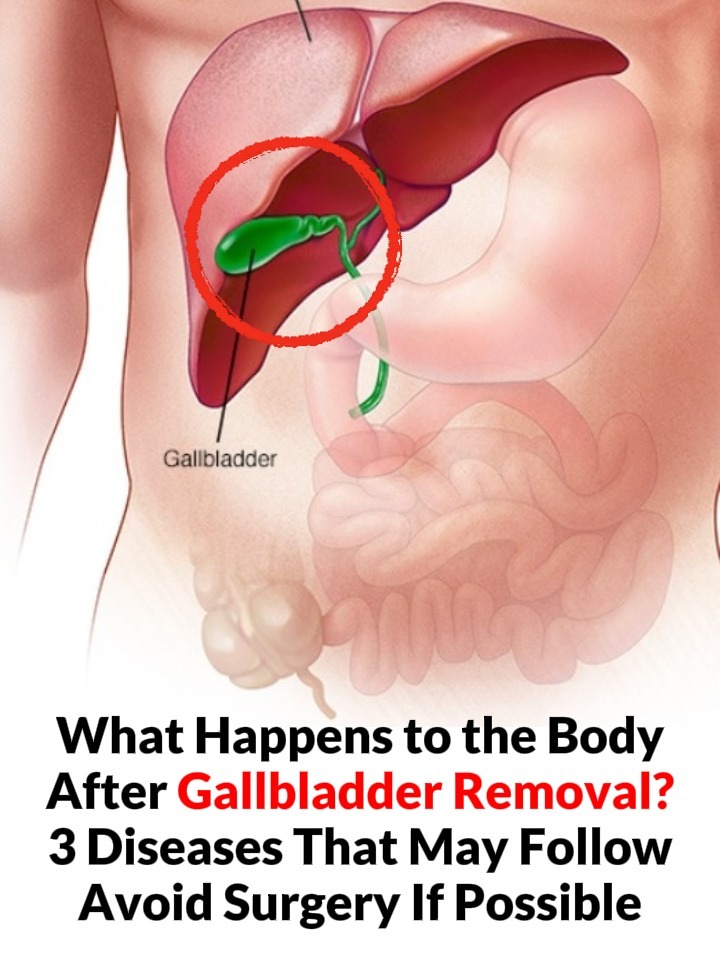
Cholecystectomy (Gallbladder Removal)
A cholecystectomy is surgery to remove the gallbladder. According to Cleveland Clinic, it’s a common and generally safe procedure most often performed to treat gallstones and related complications.
Why It’s Done
Doctors may recommend gallbladder removal if you have:
- Gallstones causing pain (biliary colic)
- Gallbladder inflammation (cholecystitis)
- Pancreatitis caused by gallstones
- Blocked bile ducts
- Gallbladder polyps (in some cases)
Types of Surgery
1️⃣ Laparoscopic Cholecystectomy (Most Common)
- Minimally invasive (small incisions)
- Shorter recovery
- Often same-day discharge
2️⃣ Open Cholecystectomy
- Larger incision in abdomen
- Used for complications or severe inflammation
- Longer hospital stay
What to Expect
Before Surgery
- Fasting for several hours
- Blood tests and possibly imaging (ultrasound)
During Surgery
- General anesthesia
- Procedure typically takes 1–2 hours
After Surgery
- Mild to moderate pain for a few days
- Shoulder pain (from surgical gas) is common
- Most people return to normal activities within:
- 1 week (laparoscopic)
- 4–6 weeks (open surgery)
Life Without a Gallbladder
The gallbladder stores bile, but your liver still produces it after removal. Most people digest food normally, though some may experience:
- Temporary diarrhea
- Bloating after fatty meals
Eating smaller, lower-fat meals initially can help.
Risks (Uncommon but Possible)
- Infection
- Bleeding
- Bile leakage
- Injury to nearby structures
If you’d like, I can also explain:
- What recovery diet looks like
- Warning signs after surgery
- Long-term digestive changes
- Or how to prepare before surgery
What information are you looking for specifically?
