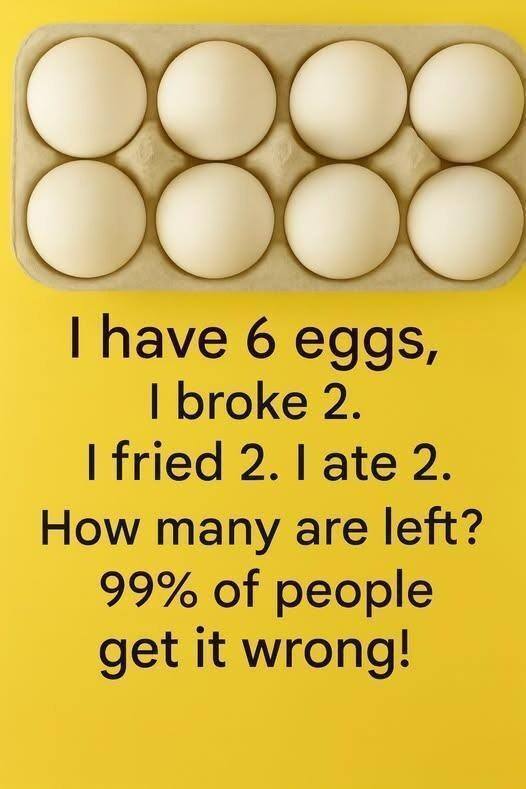
Chicken egg is the egg laid by the Chicken, and it is one of the most widely consumed foods in the world. 🥚 It is valued for its high-quality protein, nutrients, and versatility in cooking.
Main Parts of an Egg
- Shell: Hard outer layer that protects the egg
- Egg white (albumen): Clear liquid rich in protein
- Egg yolk: Yellow center containing fats, vitamins, and minerals
Nutritional Benefits
- Protein: Contains all essential amino acids
- Vitamin B12: Supports nerve and blood health
- Vitamin D: Helps bone health
- Choline: Important for brain function
- Selenium & antioxidants: Support the immune system
One large chicken egg has about 70–80 calories and 6 grams of protein.
Common Ways to Cook
- Boiled (soft-boiled or hard-boiled)
- Fried
- Scrambled
- Poached
- Used in baking and cooking such as cakes, breads, and sauces
Storage Tips
- Keep eggs refrigerated.
- Store them in their original carton to protect them from odors.
- Use within 3–5 weeks for best quality.
💡 Fun Fact: Eggshell color (white or brown) depends on the breed of chicken, but nutrition and taste are essentially the same.
If you want, I can also explain:
- How to tell if an egg is fresh or spoiled 🥚
- The healthiest way to cook eggs
- The difference between brown, white, and free-range eggs.
