It looks like “Casiere Limoncello” might be a mistaken or mis‑typed term — there isn’t a well‑known brand or definition called Casiere tied to limoncello specifically in established sources.
However, here’s a clear explanation of what limoncello actually is, since that’s almost certainly what’s meant:
🍋 What Is Limoncello?
Limoncello is a traditional Italian lemon liqueur with a bright, sweet citrus flavor, most famously produced in southern Italy — especially around the Amalfi Coast, Sorrento, and Capri. (Wikipedia)
✨ Key Features
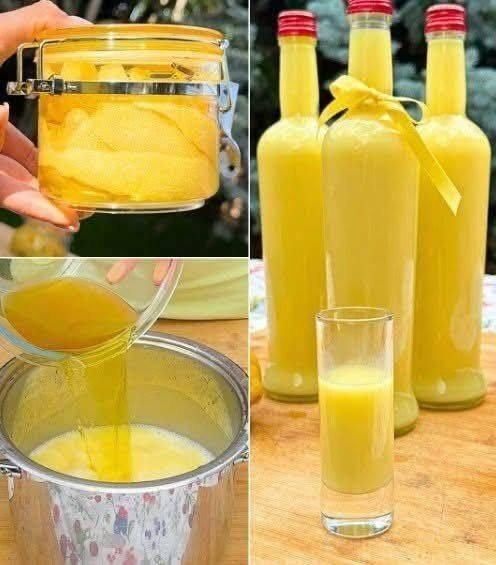
- Made from lemon zest: The lemon peels (without the bitter white pith) are steeped in alcohol to extract the aromatic oils. (lacucinaitaliana.com)
- Mixed with sugar syrup: After maceration, sugar water is added to create the sweet, yellow liqueur. (ita.travel)
- Served chilled: Traditionally enjoyed ice‑cold as an after‑dinner digestif. (Wikipedia)
- Alcohol content: Typically around 30% ABV, though this can vary. (Wikipedia)
🥂 What It Tastes Like
Limoncello is known for its intense lemon aroma and sweet, refreshing flavor — slightly tart but predominantly citrusy and sweet. (De Michellot)
🍰 Uses Beyond Drinking
Besides sipping straight, limoncello is often used in:
- Desserts (e.g., cakes, creams, sorbets)
- Cocktails for a citrus twist
- Flavoring sauces or sweet dishes
🇮🇹 Cultural Note
Limoncello is deeply tied to Italian food culture and is one of the most recognizable Italian liqueurs worldwide. (ita.travel)
If you were referring to a specific limoncello brand (like a bottle label you saw), feel free to describe it and I can help identify it!
