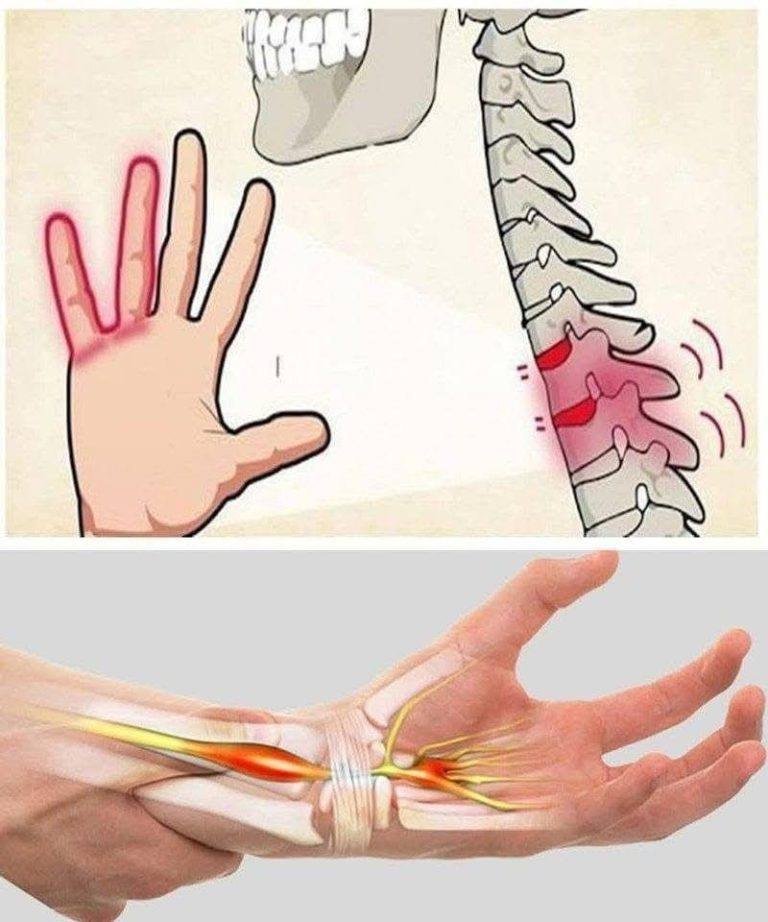
Carpal Tunnel Syndrome (CTS) is a condition caused by compression of the median nerve as it passes through the carpal tunnel in the wrist. It leads to pain, numbness, and tingling in the hand and fingers, often affecting the thumb, index, middle, and half of the ring finger.
Causes
- Repetitive hand movements (typing, assembly line work)
- Wrist anatomy (narrow carpal tunnel)
- Health conditions: diabetes, thyroid disorders, pregnancy, rheumatoid arthritis
- Injury or trauma to the wrist
Symptoms
- Tingling or numbness in fingers, especially thumb, index, and middle
- Pain in the wrist or hand, sometimes radiating up the arm
- Weak grip or difficulty holding objects
- Nighttime symptoms often worse, causing sleep disruption
Diagnosis
- Physical exam (Tinel’s sign, Phalen’s test)
- Nerve conduction studies or EMG to confirm median nerve compression
- Imaging (ultrasound or MRI) if structural abnormalities are suspected
Treatment Options
Non-Surgical
- Wrist splints – especially at night to keep the wrist neutral
- Activity modification – reduce repetitive wrist movements
- Anti-inflammatory medications – ibuprofen or corticosteroid injections
- Physical therapy – nerve gliding exercises and stretches
Surgical
- Carpal tunnel release surgery – recommended if symptoms persist or worsen
- Procedure involves cutting the ligament to relieve pressure on the median nerve
Prevention Tips
- Keep wrists in a neutral position when typing or using tools
- Take frequent breaks during repetitive tasks
- Stretch and strengthen forearm and wrist muscles
- Maintain a healthy weight and manage conditions like diabetes
If you want, I can make a simple wrist exercise routine specifically for relieving carpal tunnel symptoms at home that’s safe and quick to do during work breaks.
Do you want me to create that?
