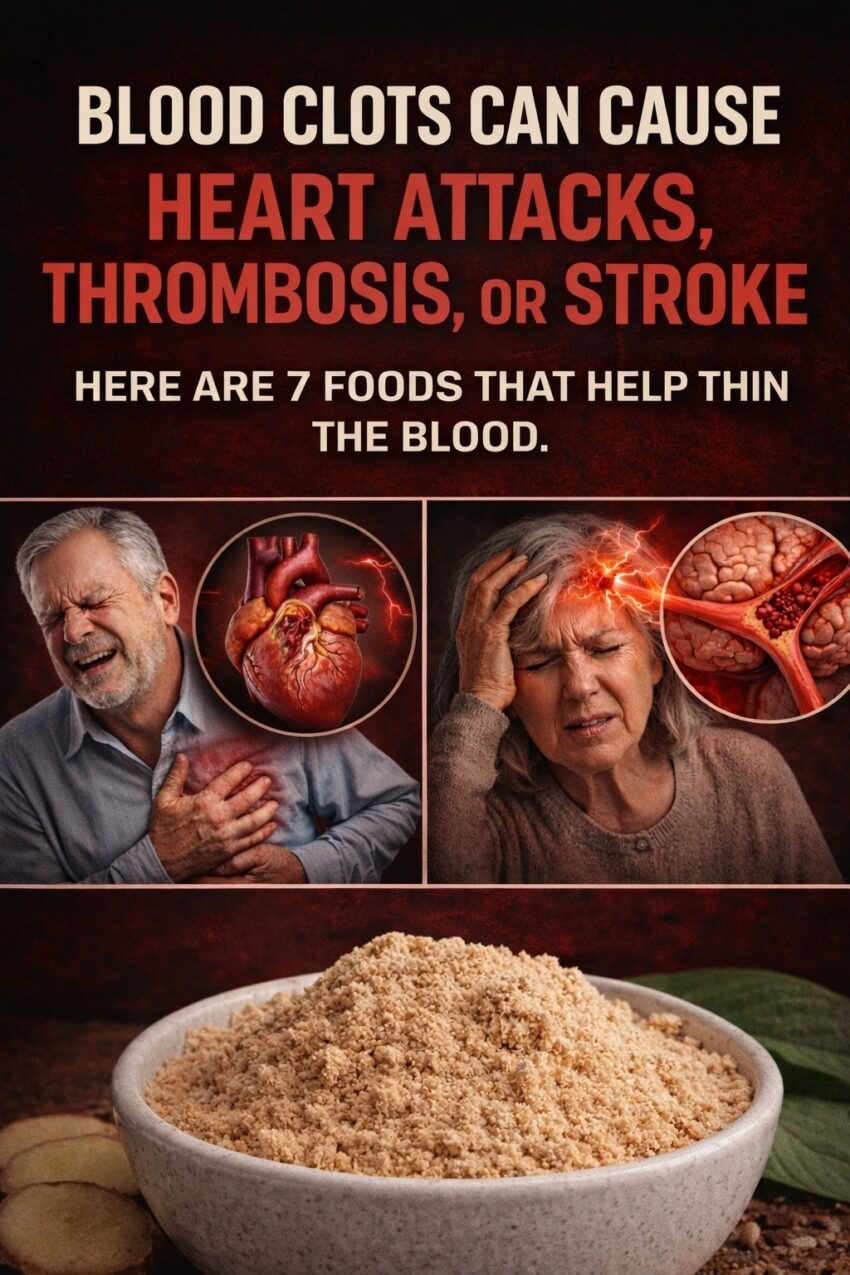
Yes — blood clots can cause heart attacks, and this is one of the most common causes.
Here’s how it works:
❤️ How Blood Clots Cause a Heart Attack
Most heart attacks happen because of coronary artery blockage.
- Over time, fatty deposits (plaque) build up inside coronary arteries.
- If a plaque ruptures, the body forms a blood clot at that spot.
- The clot can suddenly block blood flow to part of the heart muscle.
- Without oxygen, heart tissue begins to die — this is a heart attack (myocardial infarction).
🧠 Related Terms
- Myocardial infarction – the medical term for heart attack.
- Coronary artery disease – narrowing of heart arteries due to plaque buildup.
- Deep vein thrombosis – a clot in the leg (this usually causes a lung clot, not a heart attack).
⚠️ Warning Signs of a Heart Attack
- Chest pressure, tightness, or pain
- Pain spreading to arm, jaw, neck, or back
- Shortness of breath
- Nausea or sweating
- Sudden dizziness
Women may experience more subtle symptoms like fatigue, nausea, or back pain.
🩸 What Increases Clot Risk?
- Smoking
- High blood pressure
- High cholesterol
- Diabetes
- Obesity
- Sedentary lifestyle
- Family history
🚨 When to Seek Emergency Help
Call emergency services immediately if:
- Chest pain lasts more than a few minutes
- Symptoms are severe or sudden
- There is fainting or trouble breathing
Quick treatment can save heart muscle and prevent permanent damage.
If you’d like, I can also explain how to reduce blood clot risk naturally or how clots differ in the heart, brain (stroke), and lungs.
