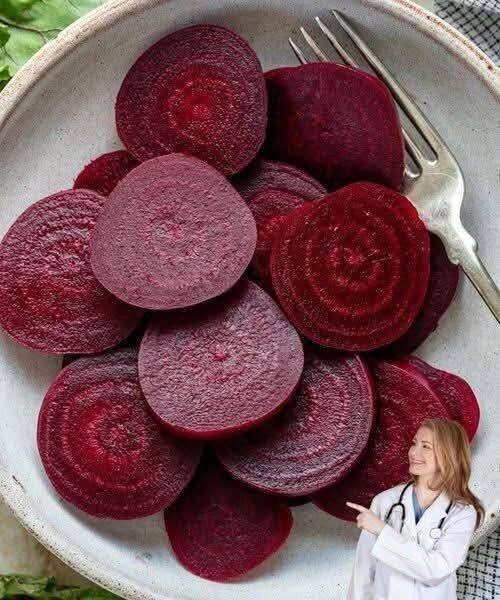
Beetroot is a nutrient-rich root vegetable known for its deep red color and earthy flavor. It belongs to the species Beta vulgaris and is eaten around the world in various forms—raw, cooked, or pickled.
Nutritional Benefits
- Vitamins & Minerals: High in folate, manganese, potassium, and vitamin C.
- Antioxidants: Rich in betalains, which give it its red color and have anti-inflammatory properties.
- Fiber: Supports digestion and gut health.
- Heart & Blood Health: Nitrates in beetroot may help lower blood pressure and improve circulation.
Culinary Uses
- Raw: Grated into salads or smoothies.
- Cooked: Roasted, boiled, steamed, or sautéed.
- Pickled: Preserved with vinegar, sugar, and spices.
- Juice: Often blended for natural energy drinks or detox beverages.
- Desserts & Baked Goods: Adds natural sweetness and color to cakes or brownies.
Tips
- Wear gloves or use parchment when cutting to avoid staining hands and surfaces.
- Store in the fridge with greens attached removed; beet greens are also edible and nutritious.
- Roasting enhances sweetness, while boiling maintains a softer texture.
If you want, I can give a simple 3-step recipe for roasted beetroot with garlic and herbs that keeps it tender, flavorful, and naturally sweet. Do you want me to?
