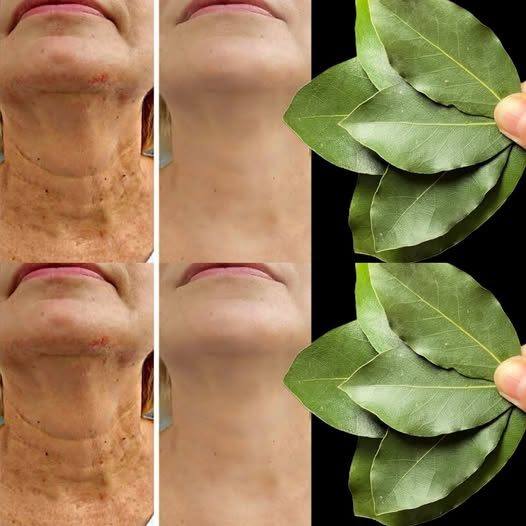
Bay laurel (Laurus nobilis) is an aromatic evergreen tree or shrub best known for its fragrant leaves, which are commonly used as a culinary herb and also have traditional medicinal uses.
🌿 Key Facts About Bay Laurel
1️⃣ Description
- Scientific name: Laurus nobilis
- Family: Lauraceae
- Origin: Mediterranean region
- Appearance: Glossy, dark green leaves; can grow up to 40 feet (12 m) in the wild; small yellow flowers and black berries appear in autumn.
2️⃣ Culinary Uses
- Bay leaves are often added to soups, stews, sauces, and braises for flavor.
- Leaves are usually used dried, as fresh leaves can be overpowering.
- Remove leaves before serving; they’re tough and sharp.
3️⃣ Health Benefits
Bay leaves have been used in traditional medicine and modern herbal remedies:
- Digestive aid: Can reduce bloating and gas
- Anti-inflammatory & antioxidant properties: Contains compounds like eugenol
- Respiratory support: Steam inhalation with bay leaves can help clear congestion
- Blood sugar support: Some studies suggest bay leaf may help regulate glucose levels
4️⃣ Gardening Tips
- Prefers full sun to partial shade
- Requires well-drained soil
- Can be grown in pots in cooler climates for easy winter protection
- Slow-growing but hardy once established
5️⃣ Other Uses
- In ancient times, bay laurel leaves were used to make wreaths and crowns, symbolizing victory and honor in Greek and Roman cultures.
- Essential oil from bay leaves is used in aromatherapy and massage oils.
💡 Tip: Dried bay leaves retain their flavor longer than fresh leaves. Crush slightly before adding to dishes to release aroma.
If you want, I can make a quick guide on how to grow bay laurel at home, use it in cooking, and even make a DIY herbal tea.
Do you want me to do that?
