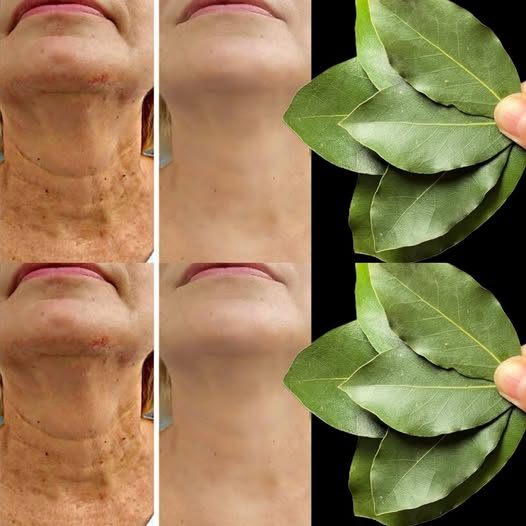
## Bay Laurel 🌿
**Bay laurel** is an aromatic evergreen plant widely used in cooking and traditional medicine. Its leaves are known as **Bay leaf**, a common seasoning in many cuisines.
The scientific name of the plant is **Laurus nobilis**.
—
### 🌍 Origin
Bay laurel is native to the **Mediterranean Region**, where it has been cultivated for thousands of years.
In ancient times, wreaths made from bay leaves symbolized victory and honor, especially in **Ancient Greece**.
—
### 🌿 Appearance
* Evergreen tree or shrub
* Dark green, glossy leaves
* Small yellow flowers in spring
* Can grow **10–18 meters (30–60 ft)** tall outdoors
—
### 🍲 Culinary Uses
Bay leaves are commonly added to:
* Soups
* Stews
* Rice dishes
* Sauces
* Meat marinades
They add a **deep herbal aroma**, but the leaf is usually **removed before serving** because it is tough and not pleasant to chew.
—
### 💚 Potential Health Benefits
Traditionally, bay leaves have been used for:
* Supporting digestion
* Reducing inflammation
* Helping regulate blood sugar
* Providing antioxidants
Bay leaf tea is sometimes consumed for digestive comfort.
—
### ⚠️ Important Note
Only use **true bay leaves from Laurus nobilis**. Some ornamental plants called “bay” can be **toxic and not safe for cooking**.
—
✅ **Summary:**
Bay laurel is a fragrant Mediterranean herb used worldwide for flavoring soups, stews, and sauces, and it has a long history in cooking and herbal traditions.
—
If you’d like, I can also show you **7 surprising health uses of bay leaves most people don’t know about** 🌿.
