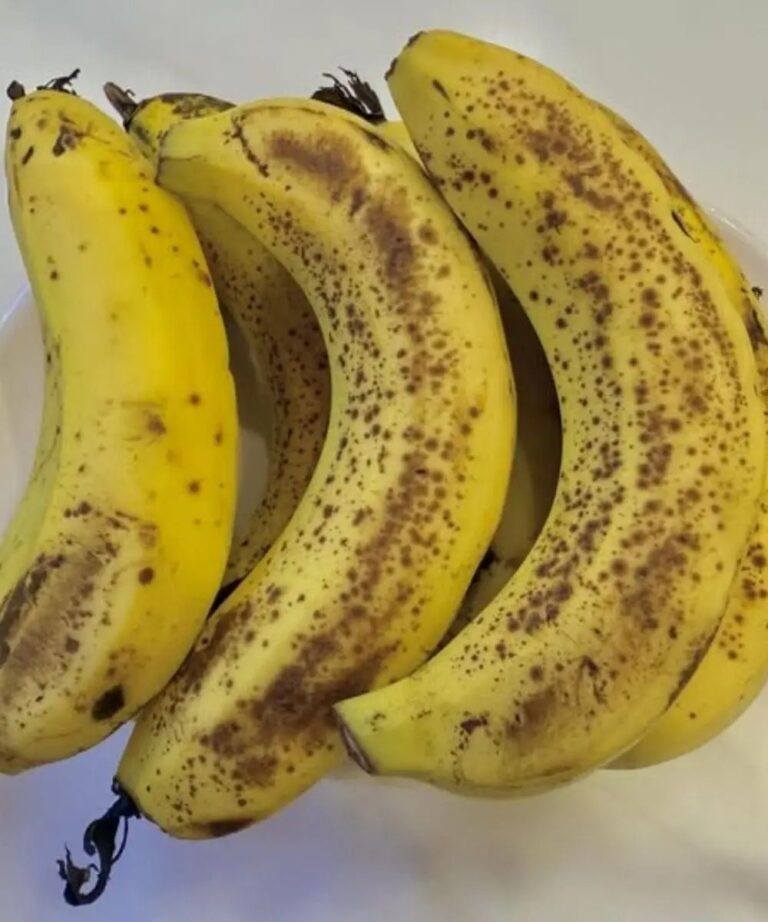
Banana is a tropical fruit produced by large herbaceous plants of the genus Musa. Bananas are one of the most widely consumed fruits in the world and are valued for their sweet taste, convenience, and nutritional benefits.
Key Characteristics
- Plant type: Large perennial herb, often mistaken for a tree.
- Leaves: Long, broad, and green.
- Fruit: Elongated, usually yellow when ripe (some varieties are red, purple, or green).
- Flowers: Grow in hanging clusters called “hands,” each containing multiple bananas called “fingers.”
Nutrition
- Rich in potassium, vitamin C, and dietary fiber.
- Provides quick energy from natural sugars.
- Low in fat and protein.
Common Varieties
- Cavendish Banana – Most commercially available worldwide.
- Plantain – Starchy, used in savory dishes.
Uses
- Raw: Eaten fresh as a snack or in fruit salads.
- Baked goods: Banana bread, muffins, pancakes.
- Cooking: Plantains can be fried, boiled, or baked.
- Smoothies & desserts: Provides natural sweetness and creamy texture.
If you want, I can make a diagram showing banana plant structure, fruit clusters, and edible parts to make it easier to visualize.
Do you want me to do that?
