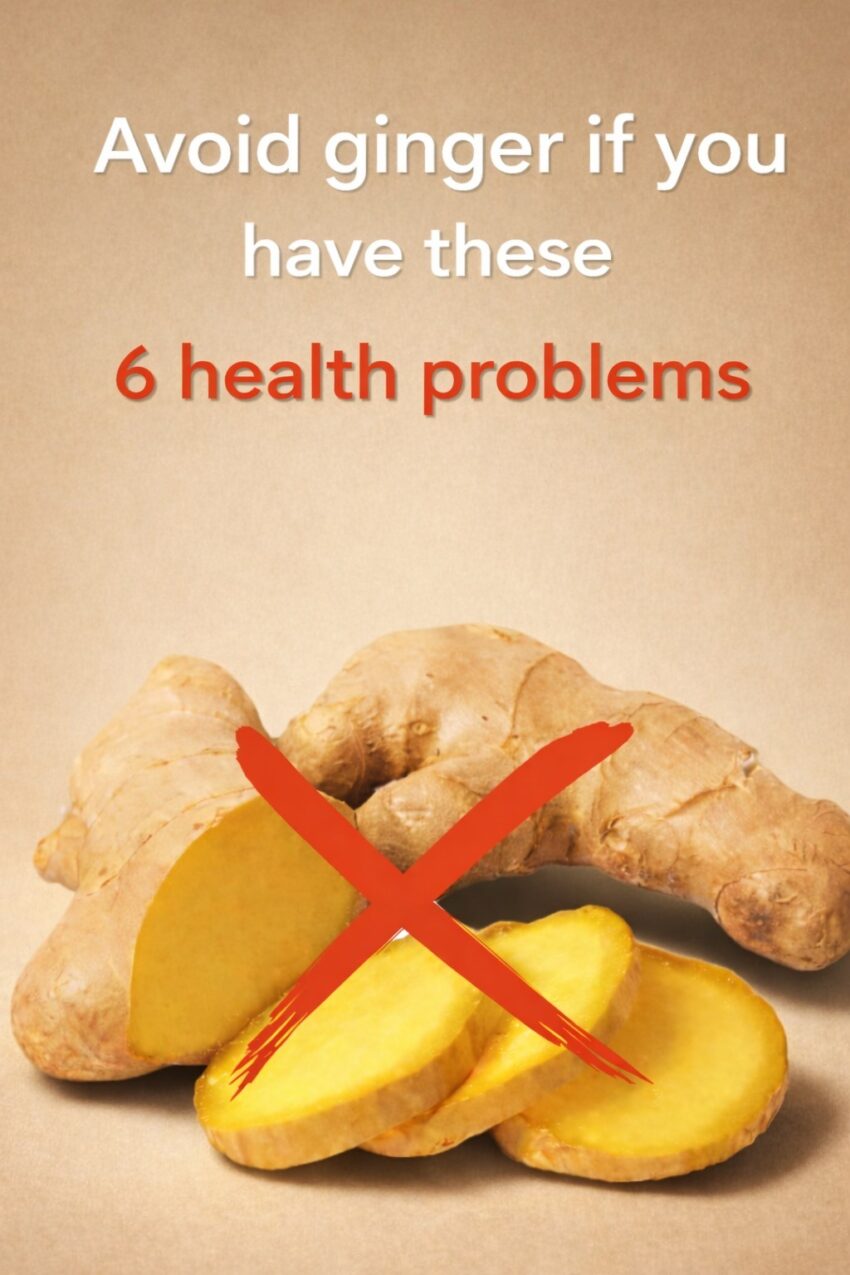
Ginger is amazing for a lot of people—but it’s not for everyone. In certain situations, it can actually make things worse instead of better. If you have any of the issues below, ginger is something to limit or avoid, or at least use carefully. ⚠️🌿
AVOID or LIMIT Ginger If You Have These Problems
1. Acid Reflux or Severe Heartburn
Ginger can increase stomach acid in some people, worsening:
- GERD
- Heartburn
- Burning chest or throat sensation
👉 Small amounts may be okay, but ginger tea or shots can trigger symptoms.
2. Gallstones or Gallbladder Disease
Ginger stimulates bile flow, which can:
- Trigger gallbladder pain
- Worsen gallstone attacks
👉 Best avoided unless your doctor says otherwise.
3. Bleeding Disorders
Ginger has blood-thinning properties.
Avoid or limit if you have:
- Hemophilia
- Low platelet count
- Easy bruising or bleeding
4. You’re Taking Blood Thinners
Ginger can increase bleeding risk when combined with:
- Warfarin (Coumadin)
- Aspirin
- Clopidogrel (Plavix)
- Some herbal supplements (ginkgo, garlic)
👉 Don’t combine without medical guidance.
5. Very Low Blood Pressure
Ginger may lower blood pressure further, causing:
- Dizziness
- Lightheadedness
- Fainting
Especially risky if you’re already on BP medication.
6. Low Blood Sugar or Diabetes on Medication
Ginger can lower blood sugar, which may cause:
- Hypoglycemia
- Shakiness, sweating, confusion
👉 Monitor closely if diabetic.
7. Pregnancy (in High Amounts)
Small amounts may help nausea, but large doses can:
- Increase bleeding risk
- Cause uterine stimulation
👉 Always follow medical advice during pregnancy.
8. Upcoming Surgery
Stop ginger at least 1–2 weeks before surgery due to bleeding risk.
9. Sensitive Stomach or IBS
Some people experience:
- Stomach cramps
- Diarrhea
- Bloating
Especially with raw ginger or strong teas.
Safe Use Tips
- Stick to small amounts (½–1 tsp fresh ginger/day)
- Avoid concentrated ginger shots
- Drink ginger with food, not on an empty stomach
- If symptoms appear → stop
Bottom Line
Ginger is helpful—but more is not better, and it’s not universal. If you have ongoing health conditions or take daily medications, ginger should be treated like a functional herb, not just a spice.
If you want, I can:
- Help you decide whether ginger is safe for you
- Suggest gentler alternatives (like mint or chamomile)
- Explain how much ginger is too much
Just tell me 💙
