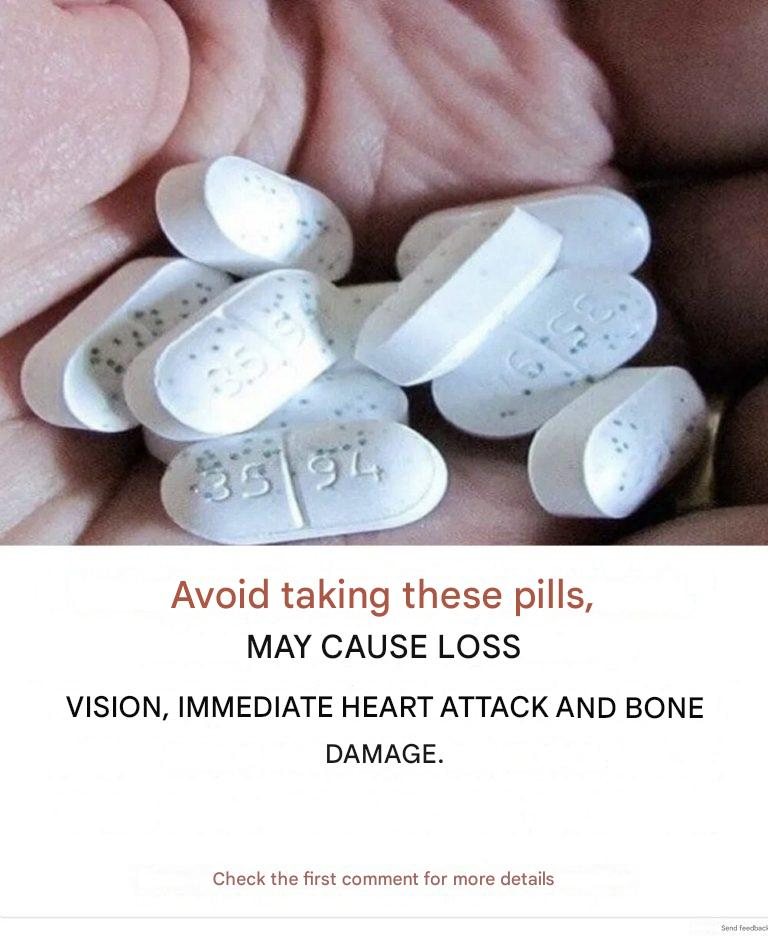
Aspirin is a widely used medicine with several purposes: pain relief, reducing inflammation, lowering fever, and preventing blood clots.
Common Uses 💊
- Pain relief: Headaches, muscle aches, toothaches, minor arthritis
- Fever reduction
- Anti-inflammatory: Helps with joint pain or mild inflammation
- Heart health: Low-dose aspirin is sometimes prescribed to reduce the risk of heart attack or stroke
How It Works
- Aspirin belongs to NSAIDs (Non-Steroidal Anti-Inflammatory Drugs)
- It blocks certain chemicals (prostaglandins) that cause pain, inflammation, and fever
- At low doses, it prevents platelets from clumping, which helps reduce blood clot risk
Common Side Effects ⚠️
- Upset stomach, nausea
- Heartburn
- Bleeding (stomach, gums, or nose)
- Allergic reactions (rare)
Important Safety Notes
- Do not give aspirin to children under 16 due to risk of Reye’s syndrome
- Avoid if you have stomach ulcers, bleeding disorders, or certain kidney/liver problems
- Take with food or water to reduce stomach irritation
- Talk to your doctor before using regularly for heart protection
Quick Tip
- Store in a dry, cool place and check expiration dates
- Don’t crush enteric-coated pills unless advised by a doctor
If you want, I can explain the difference between low-dose “baby” aspirin and regular aspirin, and when each is used safely.
