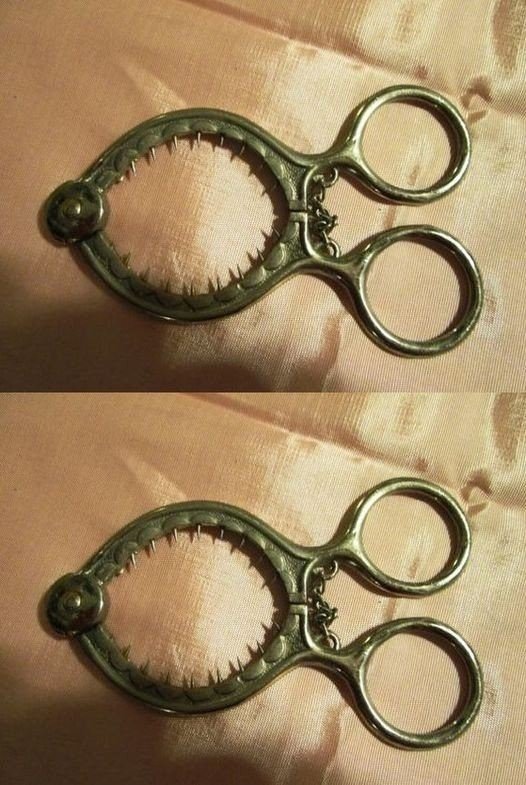
Antique metal scissors refer to scissors made primarily from metal (iron, steel, or brass) that were produced in earlier historical periods — often prized by collectors for their craftsmanship, design, and historical value. These are more than just tools; they can be decorative, collectible, or used for specific vintage tasks.
🏺 Features of Antique Metal Scissors
- Material:
- Most antique scissors are made of iron or steel, sometimes with brass handles or embellishments.
- Older ones may show patina or rust, which is often desirable for collectors.
- Design:
- Some have ornate handles, like floral patterns, loops, or engraved designs.
- Others are utilitarian, simple, or shaped differently than modern scissors (like tailor’s shears or candle wick scissors).
- Types of Antique Scissors:
- Tailor’s scissors / shears: Large, heavy, used for cutting fabric.
- Embroidery or sewing scissors: Small, fine blades for precision.
- Sheep shears / farm scissors: Short, strong blades for cutting wool.
- Decorative or novelty scissors: Ornate, collectible pieces sometimes made as gifts.
- Age Indicators:
- Hand-forged or stamped metal
- Riveted handles instead of screws
- Wear patterns consistent with age
- Patina or minor corrosion
- Uses Today:
- Collectibles or décor
- Sewing / craft projects (if sharp and restored)
- Historical study or museum pieces
💡 Collecting Tips
- Check marks or stamps on the metal to identify makers or origin. European, American, and Asian scissors often have distinct designs.
- Avoid cleaning off all patina; it can reduce the value for collectors.
- Antique scissors are often sold in antique stores, online marketplaces, or auctions, sometimes as single pieces or sets.
- Sharpness may be restored, but take care with fragile or brittle older metal.
If you want, I can make a list of the most collectible antique scissors types and their approximate value ranges — including rare European or American examples.
Do you want me to do that?
