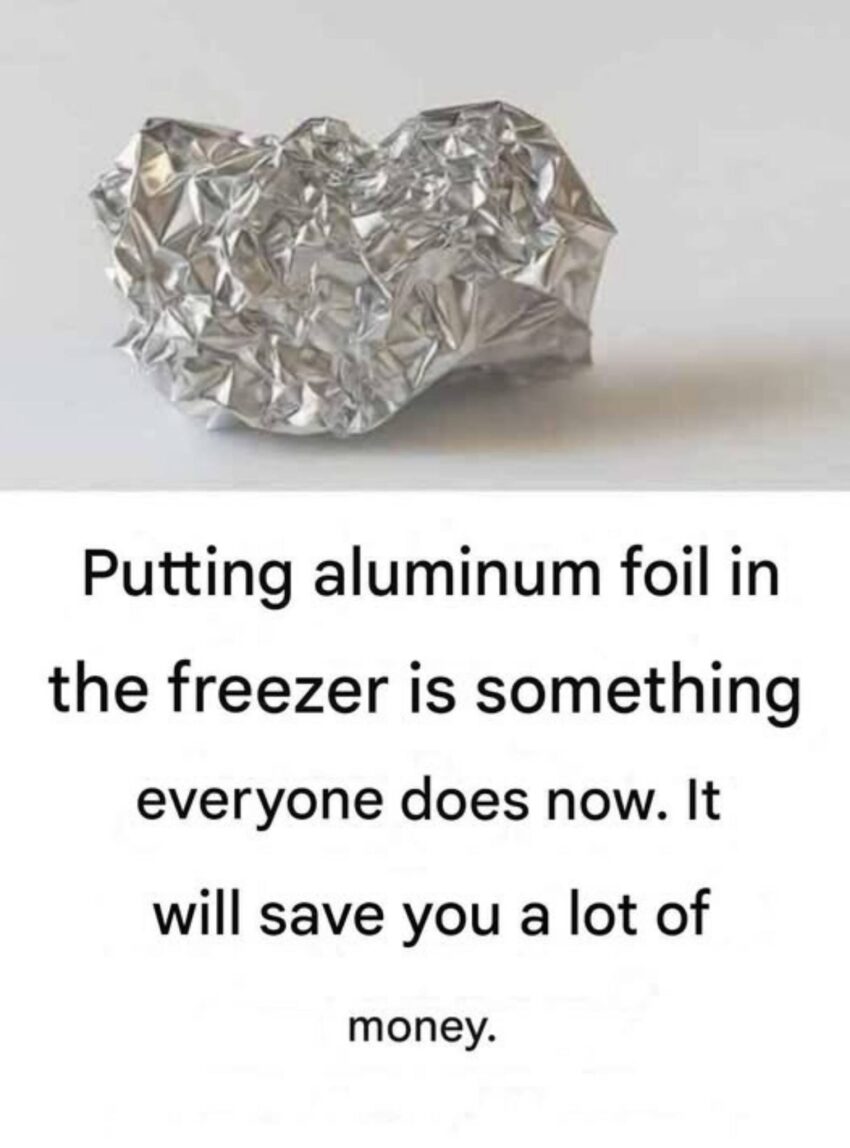
Using aluminum foil in the freezer is actually very common and safe, but there are a few things to keep in mind for best results. Here’s a clear breakdown:
1. Why Use Aluminum Foil in the Freezer
- Prevents freezer burn: Foil provides a tight barrier against air and moisture.
- Keeps food fresh longer: Protects flavor, texture, and color.
- Easy to wrap irregular items: Like meat, fish, or baked goods.
- Stackable: Makes organizing frozen items easier.
2. How to Use Foil Effectively
- Wrap tightly: Smooth the foil around the food to minimize air pockets.
- Double-layer for long-term storage: For meat or items stored more than a month.
- Label items: Use a marker to note date and contents directly on the foil.
- Combine with freezer bags: For extra protection, wrap in foil first, then place in a freezer-safe plastic bag.
3. Foods That Work Well
- Meats (chicken, beef, fish)
- Baked goods (bread, cookies, pies)
- Vegetables (blanched first to preserve texture)
- Leftovers for future meals
4. Things to Avoid
- Acidic foods: Tomatoes, citrus, or vinegar-based sauces may react with aluminum over time, causing a metallic taste.
- Microwave: Do not put foil in the microwave; use only for freezer storage.
💡 Tip: For long-term freezing, wrapping food in foil and then placing it in a labeled freezer bag can prevent freezer burn for 6–12 months depending on the food type.
If you want, I can make a visual guide showing how to wrap different types of food in aluminum foil for freezer storage, which makes it super easy to follow.
Do you want me to make that?
