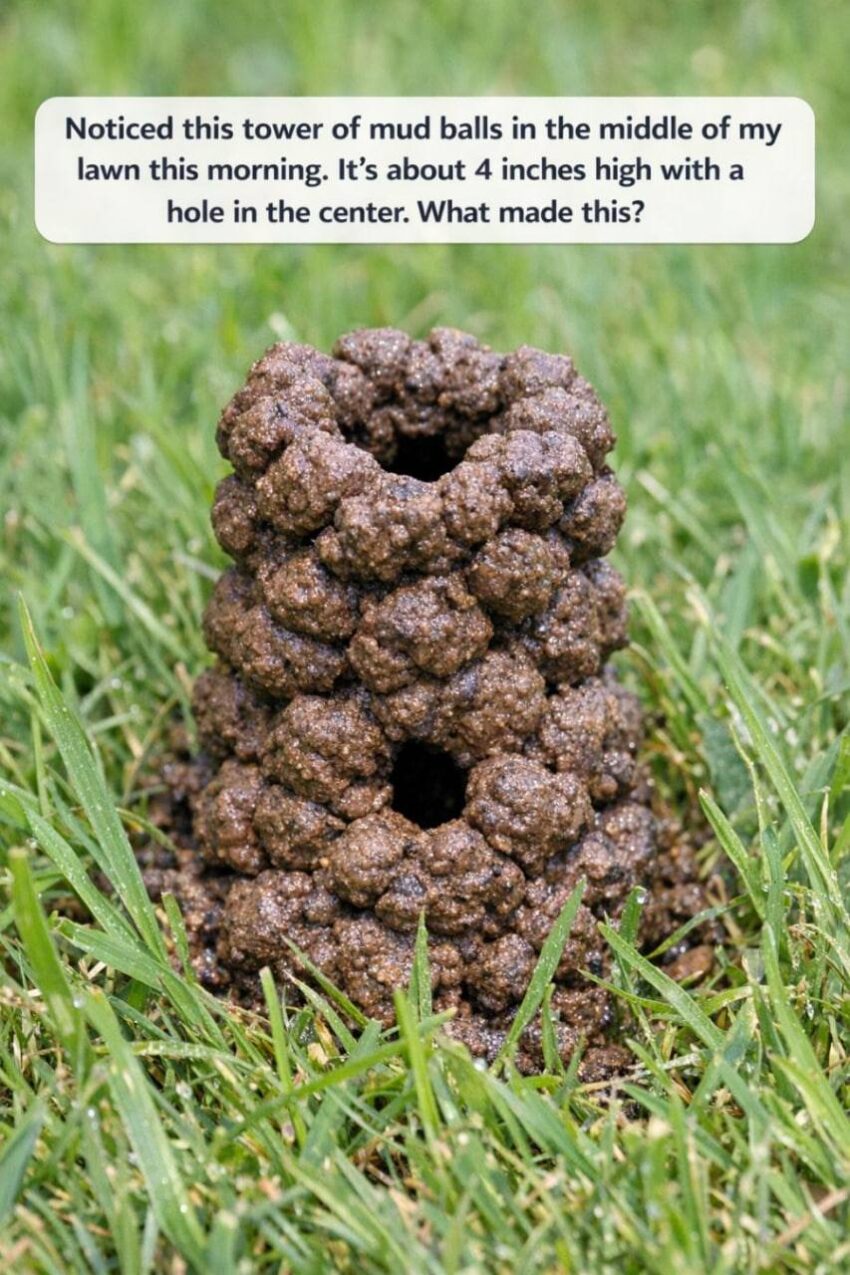
The European mole (Talpa europaea) is a small, burrowing mammal native to much of Europe. It’s most famous for the tunnels and molehills it creates in lawns and gardens. Here’s a detailed overview:
1. Appearance
- Size: About 12–17 cm (5–7 in) long, weighing 70–130 g (2.5–4.5 oz).
- Fur: Dense, velvety, dark grey or black; helps move easily through soil.
- Limbs: Broad, spade-like forepaws designed for digging; tiny eyes and ears mostly hidden under fur.
- Tail: Short and covered with hair.
2. Behavior
- Solitary: Moles are mostly solitary except during mating season.
- Active year-round: They dig tunnels constantly in search of food.
- Subterranean lifestyle: Rarely seen above ground except when creating molehills.
3. Diet
- Primarily insectivorous, feeding on:
- Earthworms (main food source)
- Larvae and grubs
- Occasionally small insects
They rarely eat plants, so damage to lawns is mainly from tunneling, not eating grass.
4. Tunnels and Molehills
- Surface tunnels: Shallow, just below grass roots, for foraging.
- Deep tunnels: Larger, permanent passages for living and storing food.
- Molehills: Soil excavated from tunnels pushed to the surface, forming visible mounds.
5. Ecological Role
- Aerates soil, improving drainage and root growth.
- Controls insect populations in gardens and farmland.
- Acts as prey for owls, foxes, and snakes.
6. How to Manage Moles
- Preventive measures: Reduce grubs in your lawn (their main food).
- Barriers: Underground fencing or wire mesh.
- Repellents: Castor oil-based repellents can deter them.
- Trapping: Only where legal and safe; requires proper knowledge.
If you want, I can explain why your lawn has mud balls and molehills at the same time, and how to tell if the culprit is moles or insects like cicadas or ants. This helps target the right solution without harming the ecosystem.
Do you want me to do that?
