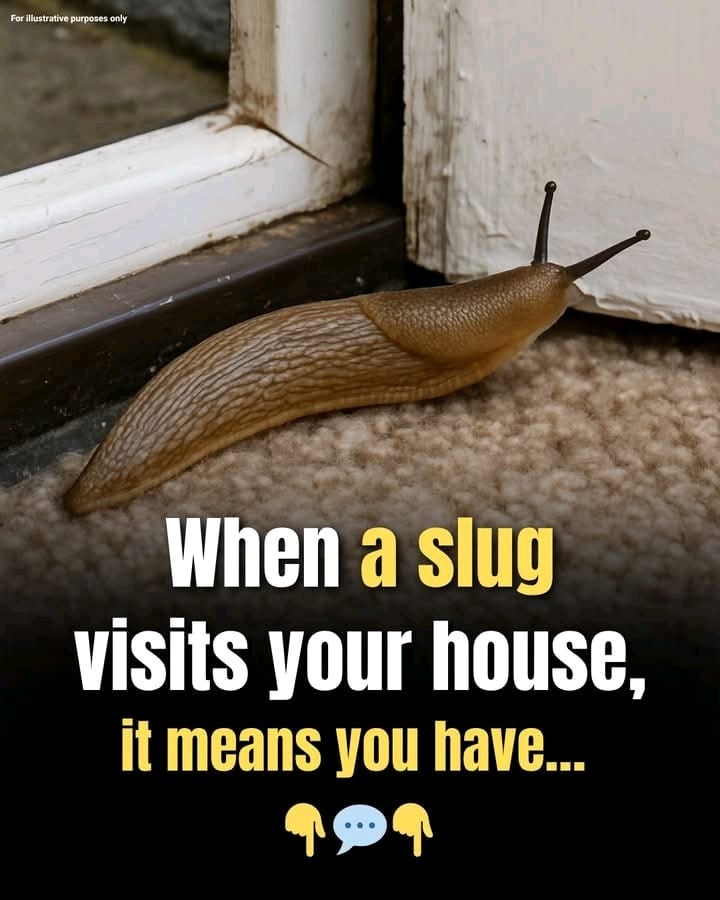
Ah! You’re likely referring to the Spanish slug, which is a type of large land slug, not a drink. Here’s a detailed overview:
🐌 Spanish Slug (Arion vulgaris)
Identification:
- Size: Can grow up to 15 cm (6 inches) long.
- Color: Usually reddish-brown, orange, or yellowish; color can vary widely.
- Appearance: Soft, slimy body with two pairs of tentacles (top pair for eyes, bottom pair for sensing).
Habitat:
- Native to Western Europe, but invasive in many regions (e.g., Northern Europe, North America).
- Found in gardens, fields, forests, and damp environments.
Diet:
- Omnivorous; eats plants, fungi, and decaying matter.
- Can be a serious garden pest, eating vegetables, flowers, and seedlings.
Behavior:
- Most active at night or in damp, cool conditions.
- Can produce large amounts of slime.
- Lays clusters of eggs in soil or under debris.
Control (if invasive in gardens):
- Handpicking – best done at night.
- Barriers – copper tape or crushed eggshells around plants.
- Traps – beer traps work because slugs are attracted to yeast.
- Natural predators – birds, hedgehogs, or ground beetles.
- Chemical baits – iron phosphate-based are safer for pets and wildlife than metaldehyde.
💡 Interesting fact: The Spanish slug has spread across Europe and North America largely because it is highly adaptable, fast-growing, and has no strong natural predators in new environments.
If you want, I can also give a guide for safely identifying it vs. native slug species, which is useful if you’re a gardener or just curious. Do you want me to do that?
