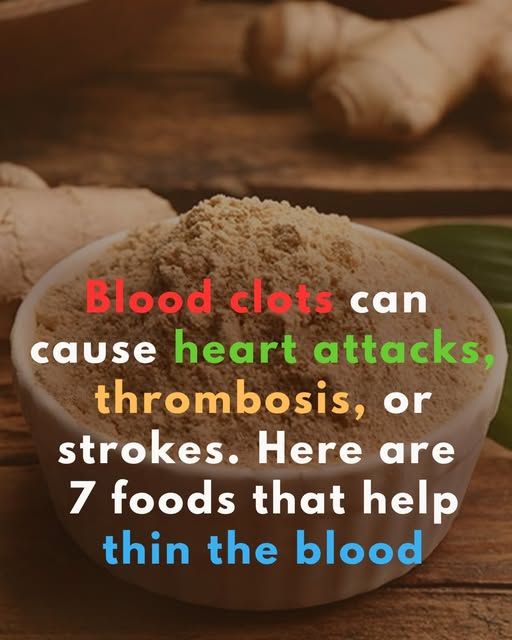
While certain foods and spices possess natural properties that can support cardiovascular health by reducing blood “stickiness,” they are not substitutes for medical treatment or prescription anticoagulants. Relying on them for high-risk conditions like atrial fibrillation or mechanical heart valves can be dangerous.
Below is a detailed breakdown of seven powerful foods known for their natural blood-thinning effects:
1. Turmeric (Curcumin)
Turmeric’s active compound, curcumin, acts as both an anti-inflammatory and an anticoagulant.
- How it works: It can block blood clotting enzymes and interfere with the clotting cascade to keep blood moving smoothly.
- Usage: It can be added to savory dishes, soups, or mixed with hot water for tea. Note that curcumin is poorly absorbed by the body on its own.
2. Ginger
Ginger contains salicylates, natural chemicals that share similar properties with the active ingredient in aspirin.
- How it works: It may reduce thromboxane, a hormone that causes platelets to aggregate or stick together.
- Usage: Enjoy it fresh or dried in cooking, juices, and smoothies.
3. Garlic
Garlic is one of the most widely studied natural blood thinners, primarily due to its active compound allicin.
- How it works: It modifies platelet function to prevent them from clumping together, which reduces the risk of dangerous clots.
- Medical Note: Doctors often recommend stopping high doses of garlic 7 to 10 days before surgery due to its antithrombotic effects.
4. Cassia Cinnamon
This common spice contains coumarin, a powerful natural agent from which the prescription blood-thinner Warfarin is derived.
- How it works: It acts as an anticoagulant to prevent clot formation.
- Warning: Taking high doses of coumarin-rich (Cassia) cinnamon long-term can cause liver damage.
5. Cayenne Pepper
Like ginger, cayenne is rich in natural salicylates that can act as blood-thinning agents.
- How it works: Its capsaicin content helps boost circulation and may inhibit the formation of blood clots.
- Usage: Sprinkle it sparingly in stews or soups to add both flavor and circulatory support.
6. Omega-3 Fatty Acids (Fatty Fish)
Abundant in salmon, mackerel, and sardines, omega-3s (EPA and DHA) are “rock stars” for heart health.
- How it works: They reduce inflammation and make platelets slightly less sticky, decreasing the tendency for them to clump together.
- Plant Alternatives: Flaxseeds, chia seeds, and walnuts also provide heart-healthy omega-3s.
7. Pineapple (Bromelain)
Pineapple contains a group of enzymes called bromelain.
- How it works: Bromelain may prevent the production of blood-clotting proteins and help existing blood clots disintegrate or break down.
- Additional Benefit: It also helps reduce red blood cell clumping and may assist in dissolving plaque in the arteries.
Safety and Critical Warnings
- NOT a replacement: Natural remedies cannot dissolve a blood clot that has already formed; this requires immediate medical attention.
- Medication Interference: If you are already taking prescription blood thinners (like Warfarin or Eliquis), high intake of these foods can dangerously increase your bleeding risk.
- Vitamin K Balance: Some healthy foods like leafy greens are high in Vitamin K, which actually helps blood clot and can interfere with the effectiveness of certain medications.
Would you like to know more about the symptoms of blood clots or how to balance Vitamin K intake with your diet?
