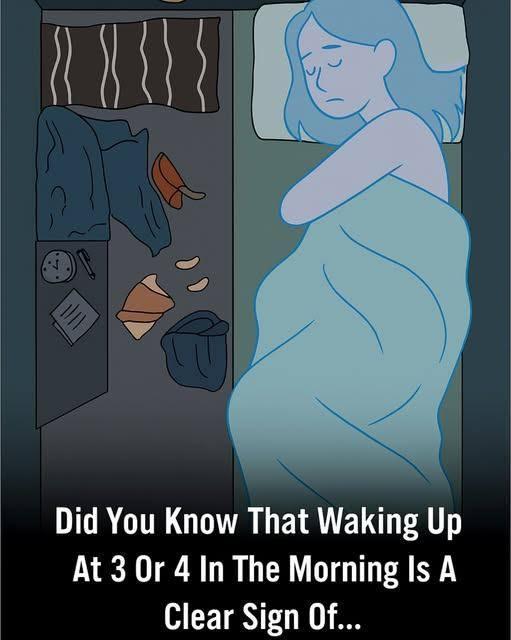
Waking up consistently at 3 or 4 a.m. can have different interpretations depending on whether you look at it medically, psychologically, or even culturally. Here’s a clear breakdown:
1. Medical/Physiological Causes
- Sleep disorders: Insomnia or sleep apnea can cause early waking.
- Hormonal changes: Cortisol peaks early in the morning; imbalance can trigger waking.
- Blood sugar fluctuations: Low blood sugar can wake you, especially in diabetics.
- Urinary issues: Needing to urinate (nocturia) interrupts sleep.
- Pain or discomfort: Chronic pain conditions can wake people in the early hours.
2. Psychological Causes
- Stress or anxiety: The mind may become overactive in the early hours, preventing deep sleep.
- Depression: Early-morning waking is a classic symptom of depression.
- Overthinking or emotional unrest: Thoughts often surface when external distractions are minimal.
3. Traditional or Cultural Interpretations
- In some Eastern traditions like Chinese medicine, waking at specific times is linked to organ energy cycles:
- 3–5 a.m.: Liver – associated with detoxification and processing emotions like anger or resentment.
- Emotional unrest, unresolved stress, or suppressed anger is sometimes thought to show up here.
- While not scientifically proven, some find it resonates with emotional patterns.
4. Practical Tips
- Maintain a consistent sleep schedule.
- Avoid caffeine, heavy meals, or screens before bed.
- Practice relaxation techniques (deep breathing, meditation).
- If persistent, consult a doctor to rule out medical issues.
💡 Key Insight: Waking up at 3–4 a.m. is often a signal that your body or mind needs attention, whether physically (hormonal, metabolic) or emotionally (stress, anxiety).
If you want, I can make a table linking specific waking hours to possible physical or emotional causes—like a “body clock guide” for early waking. It’s surprisingly accurate for spotting patterns. Do you want me to do that?
