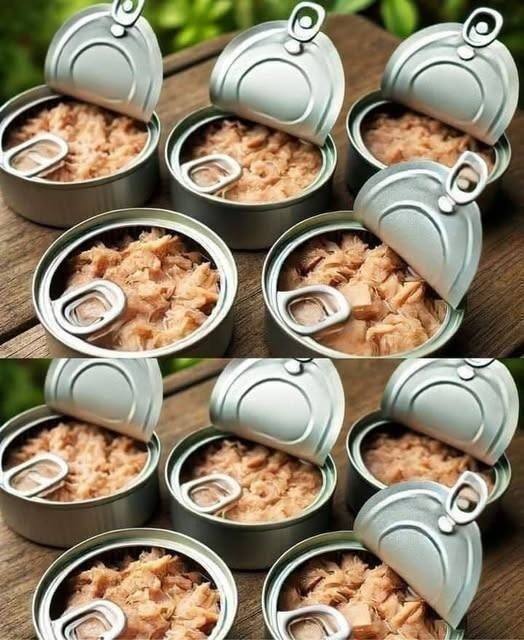
Are you asking about tuna cans in terms of storage, types, uses, or nutritional info? I’ll cover all the basics so you have a full picture.
Tuna Cans Overview
1. Types of Tuna in Cans
- Light Tuna: Usually skipjack; milder flavor, softer texture, lower mercury.
- White Tuna / Albacore: Larger fish; firmer texture, higher mercury, often in “solid” or “chunk” form.
2. Packing Styles
- In Water: Lower calorie, less flavor; good for salads and sandwiches.
- In Oil: Richer flavor, higher calories; drains less when cooking.
- Seasoned / Flavored: Often with lemon, herbs, or spices.
3. Sizes
- Common sizes: 5 oz (142 g), 12 oz (340 g), 14–15 oz (400–425 g) for larger cans.
4. Uses
- Cold: Tuna salad, sandwiches, wraps, sushi rolls.
- Hot: Casseroles, pasta dishes, stir-fries, tuna melts.
- Emergency / camping: Long shelf life makes canned tuna a pantry staple.
5. Storage Tips
- Unopened cans: Pantry storage at room temperature; shelf life 3–5 years (check “best by” date).
- Opened cans: Transfer to airtight container; refrigerate 3–4 days.
- Safety: Discard cans that are bulging, leaking, or severely dented.
6. Nutrition (per 5 oz / 142 g can, in water)
- Calories: ~120
- Protein: ~26 g
- Fat: ~1 g
- Omega-3s: ~0.2–0.5 g
- Sodium: ~300–400 mg (varies by brand)
If you want, I can also give creative recipes specifically for canned tuna that go beyond sandwiches and salads—it’s surprisingly versatile.
Do you want me to do that?
