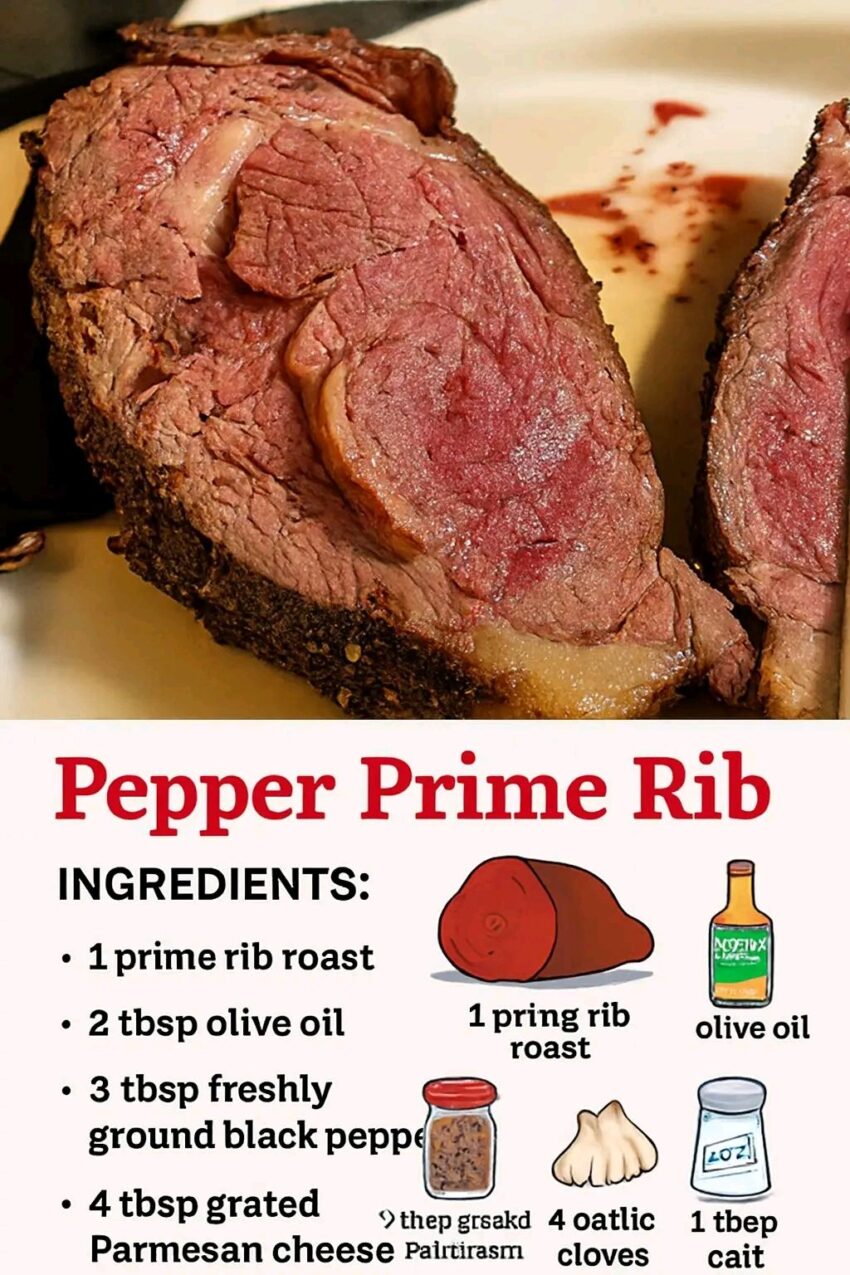
Ah, the standing rib roast—a classic centerpiece for special occasions! Here’s a thorough overview:
What It Is
- Also called a prime rib, though “prime rib” can refer to the quality grade as well.
- Comes from the rib section of the cow, ribs 6 through 12.
- “Standing” refers to cooking it with the rib bones attached, so the meat stands up in the roasting pan.
Characteristics
- Marbling: High fat content makes it juicy and flavorful.
- Tenderness: One of the most tender beef cuts, especially if cooked properly.
- Flavor: Rich, beefy flavor that pairs well with simple seasonings.
Cooking Tips
- Preparation: Season generously with salt, pepper, garlic, and herbs. Some like a rub of mustard or olive oil.
- Temperature: Roast low and slow for even cooking, then finish with a higher temperature for a crust.
- Internal temps: Rare ~120–125°F, Medium Rare ~130–135°F, Medium ~140–145°F.
- Resting: Let it rest 20–30 minutes before carving to keep juices inside.
- Carving: Slice between the ribs; the bone can add dramatic presentation but can also be removed before serving.
Serving
- Often served with au jus, horseradish sauce, or creamy horseradish.
- Common sides: roasted vegetables, mashed potatoes, Yorkshire pudding.
If you want, I can give you a step-by-step recipe for roasting a standing rib roast perfectly so it comes out tender, juicy, and flavorful every time. Do you want me to do that?
