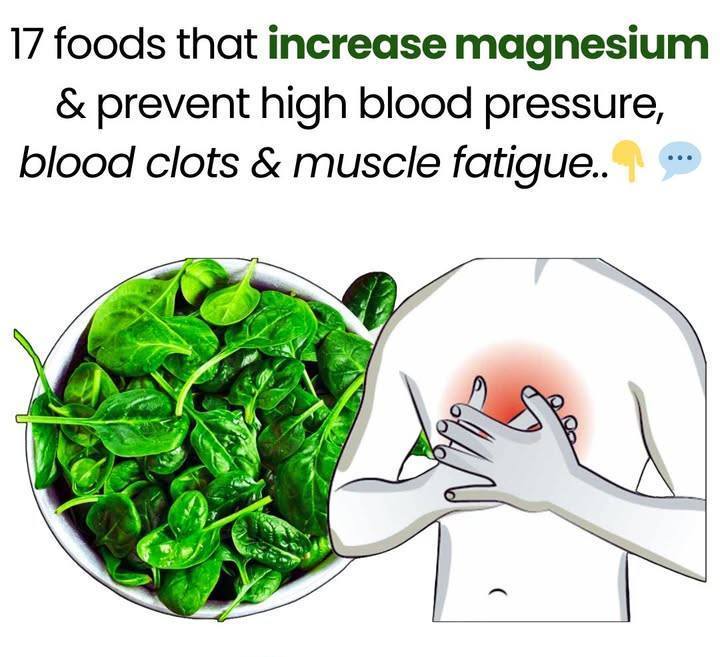
Here’s a detailed overview of spinach, including nutrition, health benefits, and culinary uses:
🌿 Spinach
Spinach (spinach) is a leafy green vegetable rich in vitamins, minerals, and antioxidants. It’s versatile in cooking and has been valued for its nutritional and health-promoting properties.
🥗 Nutritional Profile (per 100 g raw spinach)
- Calories: 23 kcal
- Protein: 2.9 g
- Carbohydrates: 3.6 g
- Fiber: 2.2 g
- Vitamin A: 47% of RDI
- Vitamin C: 47% of RDI
- Vitamin K: 604% of RDI
- Folate: 49% of RDI
- Iron: 15% of RDI
- Calcium: 10% of RDI
- Magnesium: 19% of RDI
🌟 Health Benefits
- Eye health: High in lutein and zeaxanthin, which support vision.
- Bone health: Vitamin K and calcium help maintain strong bones.
- Heart health: Nitrates may improve blood pressure and cardiovascular function.
- Digestive support: Fiber promotes healthy digestion.
- Antioxidant properties: Vitamins A, C, and E help fight oxidative stress.
🍽️ Culinary Uses
- Raw: Salads, smoothies, sandwiches.
- Cooked: Sautéed, steamed, in soups, omelets, or pasta.
- Baked: Added to casseroles, quiches, or stuffed pastries.
- Blended: Spinach pesto or sauces.
🌿 Tips
- Wash thoroughly: Spinach can trap dirt and pesticides.
- Light cooking enhances nutrients: Cooking increases absorption of certain antioxidants like beta-carotene.
- Pair with vitamin C foods: Helps improve iron absorption from spinach.
- Storage: Keep unwashed leaves in a paper towel-lined container in the fridge for 3–5 days.
💡 Fun fact: Spinach is naturally high in nitrates, which can help improve exercise performance and circulation.
I can also give a list of 5 quick and tasty ways to incorporate spinach into meals if you want.
Do you want me to do that?
