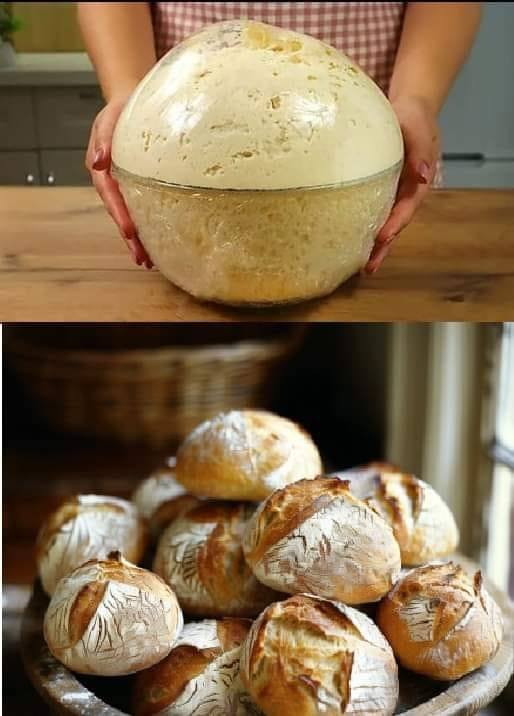
Ahhh, sourdough 🥖—the bread with a personality.
Here’s a clear, beginner-friendly overview, plus a simple go-to recipe. If you want something more specific (no-knead, whole wheat, cold ferment, troubleshooting, etc.), say the word.
What makes sourdough special?
- Natural yeast & bacteria (from a sourdough starter, not commercial yeast)
- Better flavor: tangy, complex, a little chewy
- Long fermentation → often easier to digest
- Crackly crust, open crumb if done right
Basic Sourdough Bread Recipe (Beginner-Friendly)
Ingredients
- 500 g bread flour
- 350 g water (room temp)
- 100 g active sourdough starter
- 10 g salt
Method (High level, no stress)
- Mix
- Stir flour + water until no dry bits
- Rest 30 minutes (autolyse)
- Add starter + salt, mix well
- Bulk Fermentation (3–5 hours)
- Every 30 minutes for the first 2 hours:
stretch & fold (grab dough, stretch up, fold over) - Dough should rise ~30–50% and feel airy
- Every 30 minutes for the first 2 hours:
- Shape
- Gently shape into a round or oval
- Place seam-side up in a floured basket or bowl
- Cold Proof
- Cover and refrigerate 8–16 hours
- Bake
- Preheat oven + Dutch oven to 250°C / 480°F
- Score dough
- Bake 20 min covered, then 20–25 min uncovered
- Cool at least 1 hour (hardest step 😅)
Common beginner tips
- Your starter should double within 4–6 hours after feeding
- Dough temperature matters more than the clock
- Underproofed = dense
- Overproofed = flat
- Slightly underproofed is safer than over
If you want, I can:
- Help you create or fix a starter
- Adjust for whole wheat / rye
- Diagnose flat, gummy, or dense loaves
- Give a no-Dutch-oven method
- Scale this for small kitchens or busy schedules
Just tell me where you’re at 🍞✨
