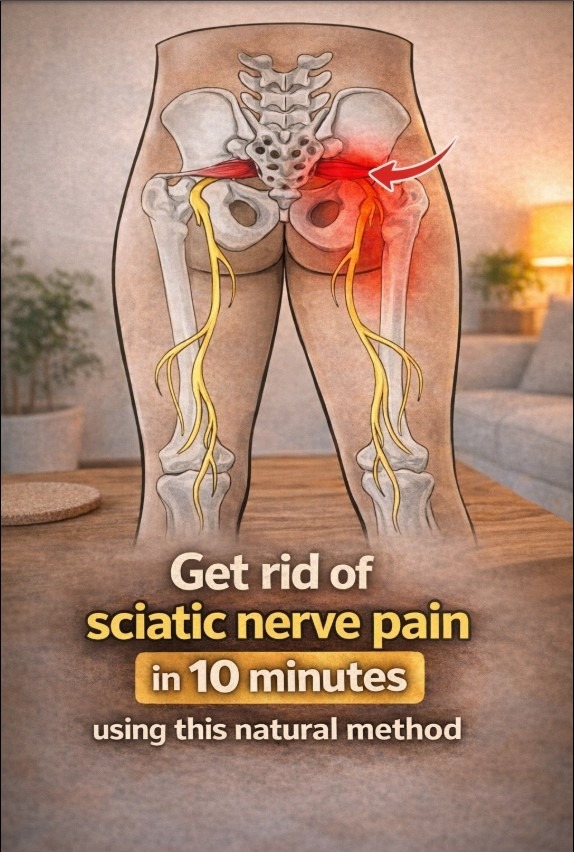
Here’s a clear overview of Sciatic Nerve Pain as explained by the Jacksonville Orthopaedic Institute (JOI) and typical medical guidance:
🧠 What Is Sciatic Nerve Pain (Sciatica)?
Sciatic nerve pain—often called sciatica—is pain caused when the sciatic nerve becomes irritated, inflamed, or compressed. This nerve starts in the lower back (lumbar spine), travels through the hips and buttocks, and runs down the back of each leg. When it’s affected, you can feel pain not just in your back, but down the leg as well. (JOI Jacksonville Orthopaedic Institute)
📍 Common Causes
Sciatica may result from several conditions that affect structures near the nerve, including:
- Bulging or herniated discs pressing on nerve roots
- Inflammation of spinal joints or muscles
- Degenerative changes in the spine
- Piriformis muscle irritation (tight muscle near the nerve)
- Sacroiliac (SI) joint dysfunction
These issues can cause nerve irritation even without direct compression. (JOI Jacksonville Orthopaedic Institute)
🩹 Typical Symptoms
Pain and discomfort from sciatica often include:
- Sharp, burning, or shooting pain from the lower back into the buttock and down the leg
- Numbness or tingling in the leg or foot
- Weakness in the affected leg
- Discomfort that increases with bending, long sitting, or standing
Symptoms usually affect one side more than the other. (JOI Jacksonville Orthopaedic Institute)
🛠️ Treatment & Management
🧑⚕️ Professional Care
- Physical therapy: A key first step—focused exercises, mobility work, and posture training to reduce pressure on the nerve. (JOI Jacksonville Orthopaedic Institute)
- Medical evaluation: A provider may recommend imaging (like MRI) to confirm the underlying cause. (JOI Jacksonville Orthopaedic Institute)
- Medications: Non‑steroidal anti‑inflammatory drugs (NSAIDs) for pain and inflammation.
At JOI, spine centers and therapists work together to personalize treatment plans, including advanced options such as laser therapy, medical massage, or dry needling for some cases. (JOI Jacksonville Orthopaedic Institute)
🏡 Home Care & Self‑Help
- Ice or heat therapy to reduce pain and muscle tension
- Gentle stretching and mild exercises to improve flexibility
- Maintain good posture when sitting or standing
- Regular movement breaks (don’t sit too long)
These measures often help reduce pain and support recovery at home. (JOI Jacksonville Orthopaedic Institute)
⏱️ Typical Course & Outlook
- Mild to moderate sciatic pain often improves within several weeks with conservative care.
- Persistent or severe cases (with progressive weakness or loss of bowel/bladder control) warrant immediate medical attention. (JOI Jacksonville Orthopaedic Institute)
🧠 Quick Summary
| Aspect | What It Means |
|---|---|
| What it is | Pain from the sciatic nerve due to irritation or compression |
| Where it hurts | Lower back, buttock, back of leg, sometimes to foot |
| Causes | Herniated discs, inflammation, muscle tightness, spinal changes |
| Treatment | Physical therapy, posture correction, pain relief strategies |
| Prevention | Good posture, regular movement, core strengthening |
If you want, I can share a set of gentle stretches and exercises recommended for easing sciatica symptoms safely at home. Just let me know!
