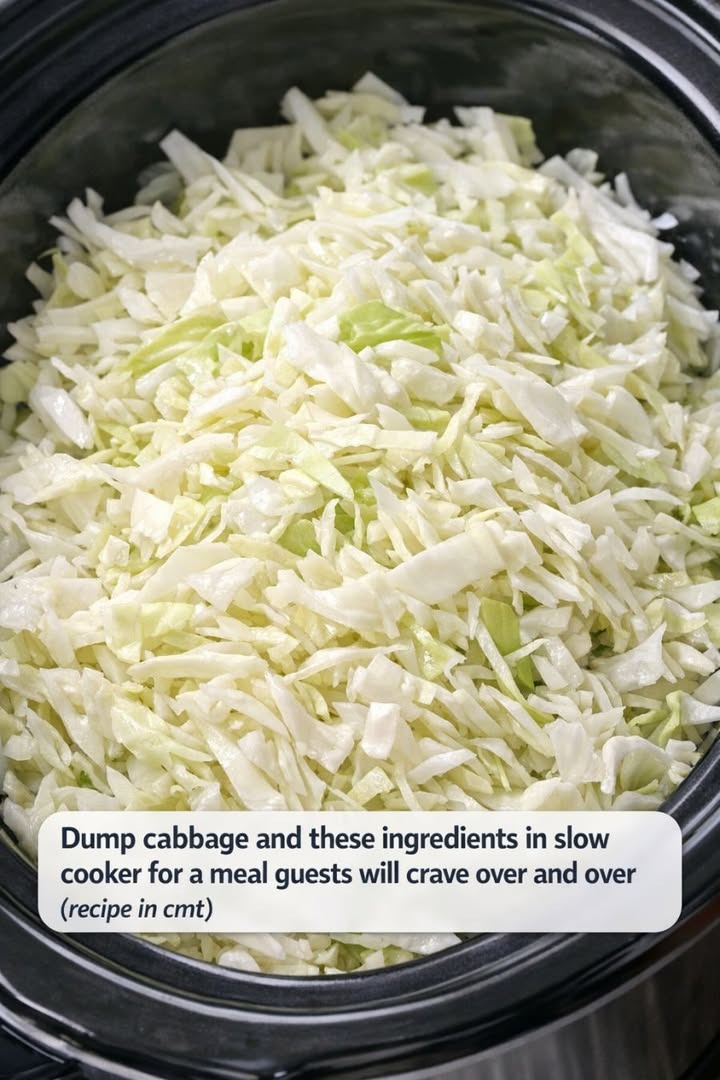
Here’s everything you need to know about sauerkraut — from what it is, to how to make it traditional German-style at home. 🥬🇩🇪
🥣 What Is Sauerkraut?
Sauerkraut is finely shredded cabbage that’s fermented by lactic acid bacteria. It’s tangy, crunchy, and packed with probiotics — a classic staple in German, Eastern European, and Alsatian cooking.
🧂 Traditional Homemade Sauerkraut Recipe
🧺 Ingredients
- 1 medium green cabbage (about 2–3 lbs)
- 1½ tablespoons kosher salt or sea salt (non-iodized)
- Optional flavorings:
- 1 teaspoon caraway seeds (traditional German flavor)
- ½ teaspoon juniper berries
- A few peppercorns, garlic cloves, or apple slices (for variations)
🔪 Instructions
- Prepare the cabbage
- Remove outer leaves and set one aside.
- Cut cabbage into quarters, remove the core, and slice thinly (shredded, about 1/8-inch thick).
- Salt and mix
- Place cabbage in a large bowl.
- Sprinkle salt over it and massage it in with your hands for 5–10 minutes, until it softens and releases liquid (“brine”).
- Pack into jar
- Pack cabbage tightly into a clean glass jar or fermentation crock, pressing down firmly so liquid rises above the cabbage.
- Leave about 1 inch of headspace at the top.
- Weigh it down
- Place the reserved cabbage leaf on top and weigh it down with a small jar, fermentation weight, or a clean stone so everything stays submerged.
- Ferment
- Cover the jar loosely with a lid or clean cloth.
- Store at 65–72°F (18–22°C), out of direct sunlight.
- Let ferment for 1 to 4 weeks, tasting every few days after the first week.
- The longer it ferments, the tangier it gets.
- Store
- Once it reaches your preferred flavor, move it to the fridge.
- It will keep for up to 6 months refrigerated.
🧀 Serving Ideas
- As a side with bratwurst, pork chops, or pierogi
- In Reuben sandwiches or hot dogs
- Mixed into salads or grain bowls for tang
- Cooked gently with onions, apples, and caraway for a warm German side dish
💡 Tips for Perfect Sauerkraut
- Always keep the cabbage submerged in brine — air exposure can cause spoilage.
- If mold appears on top, remove it (the kraut below is usually fine).
- Use glass, ceramic, or food-grade plastic containers — never metal.
Would you like me to include a quick-cooked sauerkraut recipe (less sour, ready in 30 minutes) — great for serving with sausages or pork?
