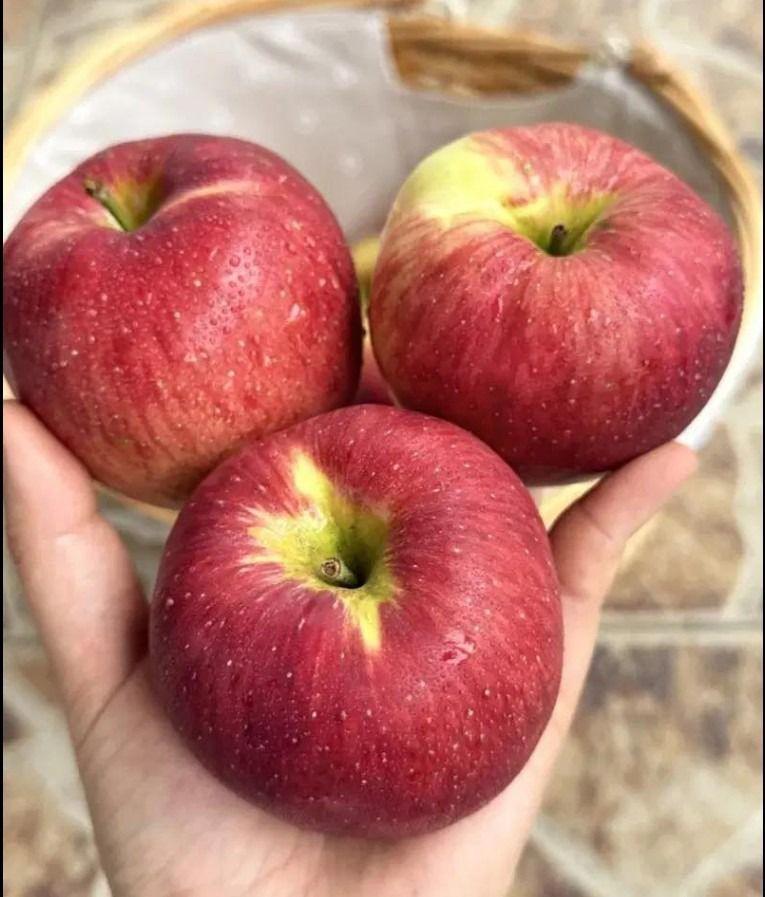
🍎 Paula Red Apple Bareroot Tree — Overview
A Paula Red apple bareroot is a dormant apple tree of the Paula Red variety sold without soil around its roots — ready for spring planting. Bareroot trees are typically shipped while dormant (in early spring) and planted directly into your orchard or backyard once temperatures are right. (Silver Creek Nursery Ltd.)
🌳 About the Paula Red Apple Variety
- Heritage: Paula Red (sometimes written Paulared) was discovered in Michigan in 1960 as a chance seedling and is believed to be a natural cross between McIntosh and Duchess of Oldenburg. (Wikipedia)
- Fruit Characteristics: The apples are medium to large, with bright red skin often showing yellow/green patches, and juicy, firm flesh with a balanced sweet‑tart flavor and subtle berry notes. (Silver Creek Nursery Ltd.)
- Season: It’s an early‑season apple, typically harvested from late August into September, and is prized as one of the first apples available in fall. (New York Apple Association)
- Uses: Great for fresh eating, making applesauce (often needing little sugar), fruit salads, and some cooked applications — though it softens quickly when baked. (Whistling Well Farm)
🌱 Bareroot Tree Specifics
- What It Is: A young Paula Red apple tree sold without soil around its roots. These trees are easier and cheaper to ship and plant than potted trees. (Silver Creek Nursery Ltd.)
- Rootstock: Often grafted onto semi‑dwarf rootstocks like EMLA 106 for manageable tree size (~1 m+ at purchase). (Silver Creek Nursery Ltd.)
- Planting Requirements:
- Full sun: Aim for ~8–10 hours of sun daily. (Silver Creek Nursery Ltd.)
- Soil: Adaptable to loam, sandy loam, or clay loam with good drainage. (Silver Creek Nursery Ltd.)
- Pollination: Needs another apple variety that blooms at the same time for good fruit set. (Silver Creek Nursery Ltd.)
- Zones: Commonly hardy to cooler climates (e.g., USDA Zone 4). (Silver Creek Nursery Ltd.)
🧑🌾 Care & Growing Tips
- Plant in early spring while still dormant before buds break.
- Water deeply and mulch to conserve moisture and suppress weeds.
- Prune in winter to develop a good framework and improve air flow.
- Watch for apple pests and diseases (e.g., fireblight, mildew) and manage accordingly.
If you’d like, I can give you step‑by‑step planting and care instructions specific to your climate zone and space (backyard orchard, container, etc.). Just let me know! 😊
