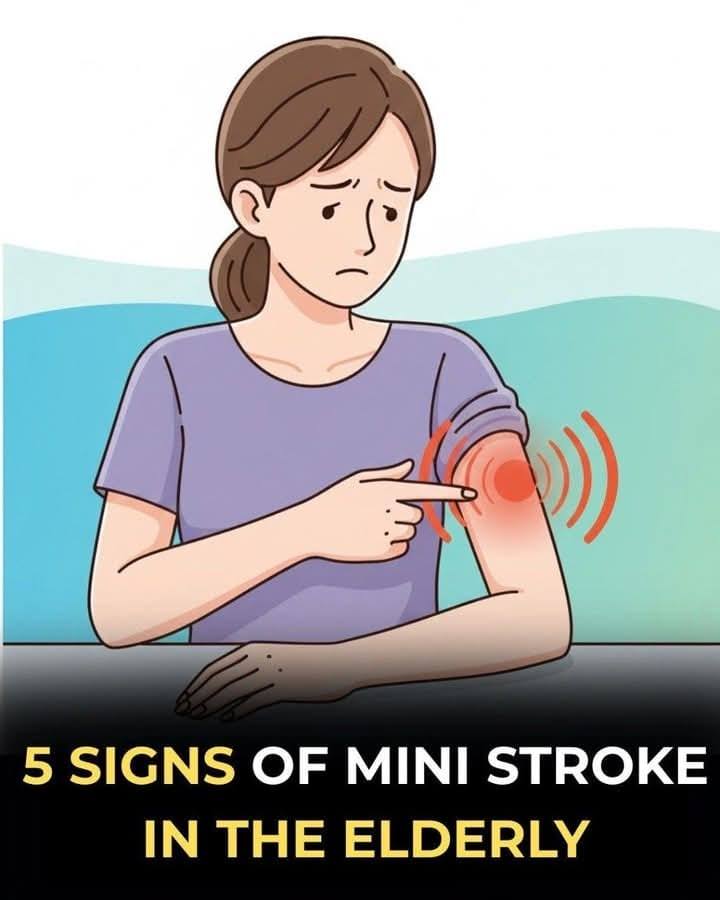
It sounds like you’re asking about a “mini stroke,” which is medically called a transient ischemic attack (TIA). Here’s a clear explanation:
🧠 What Is a Mini Stroke (TIA)?
A transient ischemic attack (TIA) happens when blood flow to a part of the brain is temporarily blocked. Unlike a full stroke, the symptoms last a short time (usually a few minutes to an hour) and don’t cause permanent damage—but it’s a serious warning sign.
⚠️ Common Symptoms
TIAs often appear suddenly and can include:
- Weakness or numbness – Especially on one side of the body (arm, leg, or face).
- Difficulty speaking or understanding speech – Slurred or confused speech.
- Vision problems – Blurred or double vision, or loss of vision in one eye.
- Dizziness or loss of balance – Trouble walking or coordinating movements.
- Severe headache – Sudden, unusual headache can occur in some cases.
Even if symptoms go away quickly, a TIA is a medical emergency—it can precede a major stroke.
🩺 What to Do
- Call emergency services immediately if you suspect a TIA.
- Seek prompt evaluation by a neurologist.
- Tests may include MRI, CT scan, and blood work to find the cause.
🌟 Prevention & Management
- Control blood pressure, cholesterol, and diabetes.
- Quit smoking and limit alcohol.
- Eat a healthy diet and exercise regularly.
- Take medications as prescribed to prevent blood clots.
If you want, I can give you a simple guide to recognizing TIAs versus full strokes so you know when to act fast.
Do you want me to do that?
