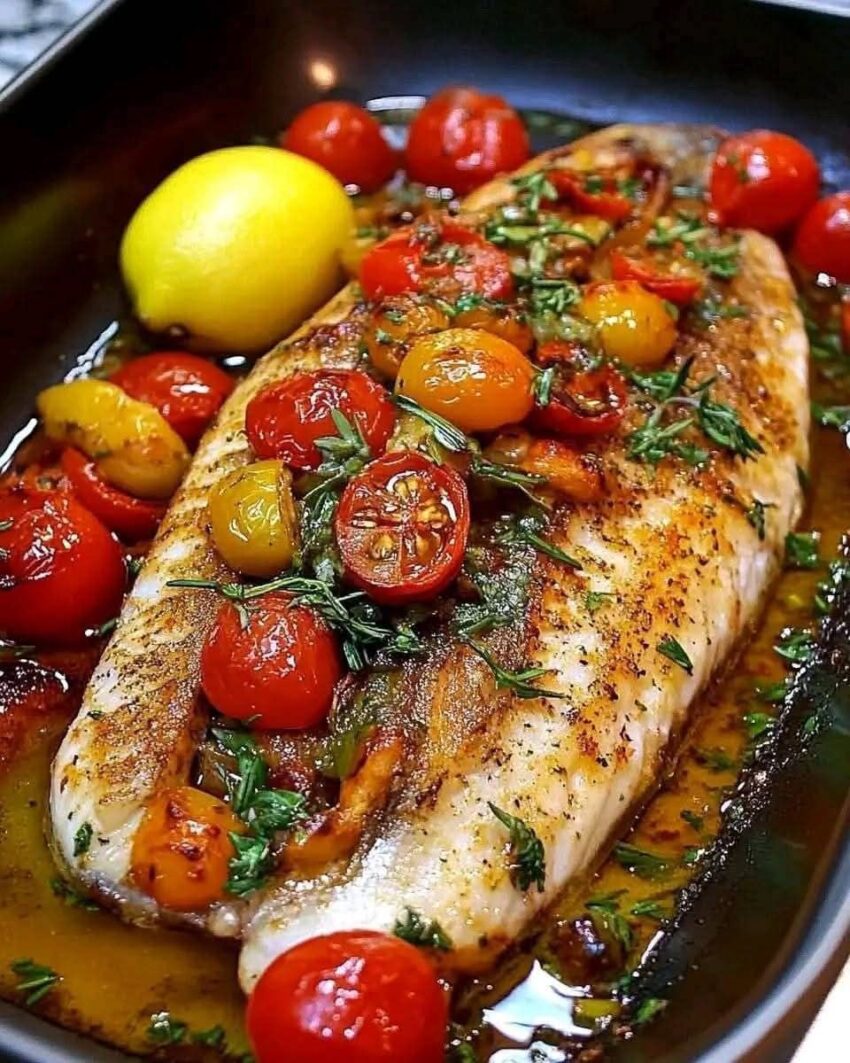
Mediterranean cuisine refers to the diverse culinary traditions of countries bordering the Mediterranean Sea, including Greece, Italy, Spain, Turkey, Lebanon, Morocco, and parts of North Africa. It’s celebrated for its fresh ingredients, bold flavors, and health benefits. Here’s an overview:
Key Features of Mediterranean Cuisine
- Ingredients:
- Vegetables: Tomatoes, eggplant, zucchini, peppers, cucumbers
- Legumes: Chickpeas, lentils, beans
- Fruits: Citrus, figs, dates, pomegranates
- Grains: Wheat, rice, bulgur, couscous
- Olive oil: Primary cooking fat, used for sautéing, dressings, and drizzling
- Herbs and spices: Basil, oregano, thyme, rosemary, parsley, mint, cumin, paprika
- Seafood: Fish, shellfish, squid
- Meats: Lamb, chicken, beef (in moderation)
- Dairy: Yogurt, feta, ricotta, hard cheeses
- Nuts: Almonds, pine nuts, walnuts
- Cooking Methods:
- Grilling, roasting, baking, sautéing, and slow-cooking
- Emphasis on fresh, seasonal ingredients rather than heavy sauces
- Common Dishes by Region:
- Greece: Greek salad, moussaka, tzatziki, spanakopita
- Italy: Pasta, risotto, pizza, caprese salad
- Spain: Paella, tapas, gazpacho
- Turkey/Lebanon: Hummus, falafel, kebabs, tabbouleh, baklava
- Morocco/North Africa: Couscous, tagines, harira soup, preserved lemons
- Health Aspects:
- Rich in healthy fats (olive oil, nuts)
- High in vegetables and legumes
- Moderate fish and poultry
- Low in red meat and processed foods
- Associated with reduced risk of heart disease and longevity
- Flavors:
- Fresh herbs, garlic, lemon, olive oil, and spices give vibrant, aromatic, and layered flavors.
Mediterranean cuisine is both flexible and approachable, perfect for home cooking or festive meals. Its emphasis on fresh, minimally processed ingredients makes it delicious and heart-healthy.
I can also provide a sample 1-week Mediterranean meal plan with breakfast, lunch, and dinner ideas if you want to explore this cuisine practically.
Do you want me to create that meal plan?
