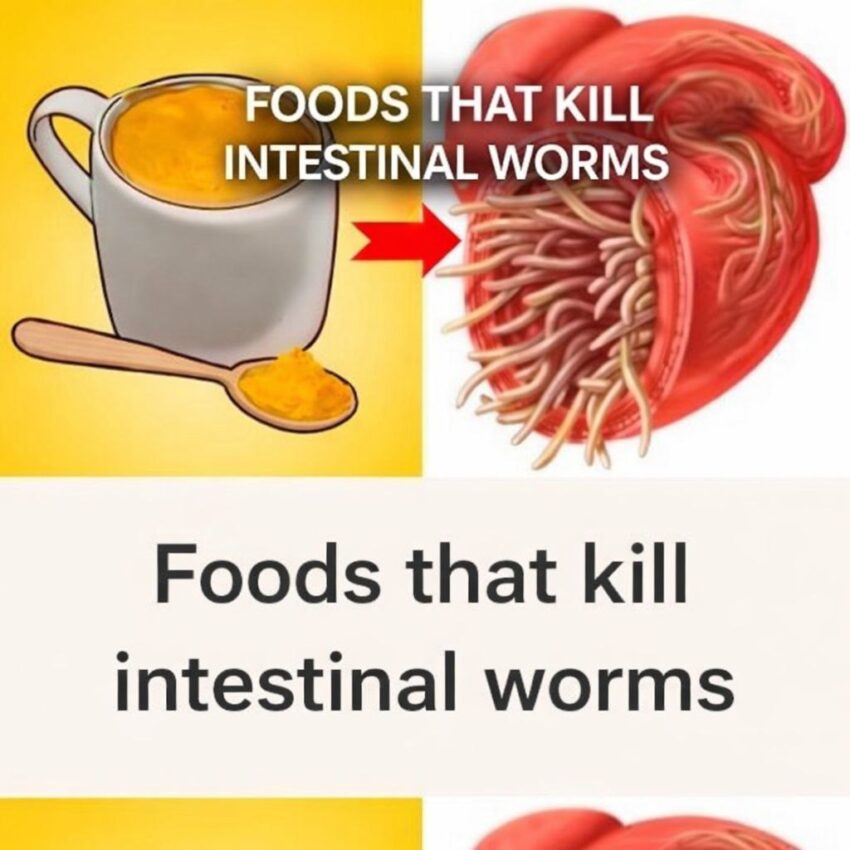
An intestinal parasite infection occurs when tiny organisms (parasites) live in your digestive tract and feed off nutrients from your body. These infections are common worldwide and can range from mild discomfort to serious illness.
🦠 Common Types of Intestinal Parasites
- Protozoa (single-celled organisms)
- Giardia lamblia – causes giardiasis
- Entamoeba histolytica – causes amoebiasis
- Helminths (worms)
- Roundworms (Ascaris)
- Hookworms
- Tapeworms
⚠️ Symptoms
Symptoms can vary depending on the parasite and severity, but common signs include:
- 💩 Diarrhea or loose stools
- 🥴 Abdominal cramps, bloating, or gas
- 🤢 Nausea or vomiting
- 🍴 Loss of appetite or unexplained weight loss
- 😴 Fatigue or weakness
- 🪱 In some cases, visible worms in stool
🩺 Causes / Risk Factors
- Drinking contaminated water
- Eating undercooked or contaminated food
- Poor hygiene (not washing hands)
- Traveling to areas with poor sanitation
- Contact with infected animals or soil
✅ Diagnosis
- Stool sample testing to identify eggs, larvae, or parasites
- Blood tests in some cases
- Medical history and symptoms review
💊 Treatment
- Prescription antiparasitic medications (e.g., albendazole, metronidazole, mebendazole)
- Supportive care: hydration and nutrition
- Treating symptoms like diarrhea if needed
Note: Do not self-medicate — treatment depends on the specific parasite.
🧼 Prevention Tips
- Wash hands thoroughly, especially before eating and after using the toilet
- Drink clean or boiled water
- Cook meat thoroughly
- Wash fruits and vegetables properly
- Avoid walking barefoot in areas with poor sanitation
If you want, I can make a simple home care plan to reduce parasite risk while awaiting medical treatment. This is safe and practical advice. Do you want me to do that?
