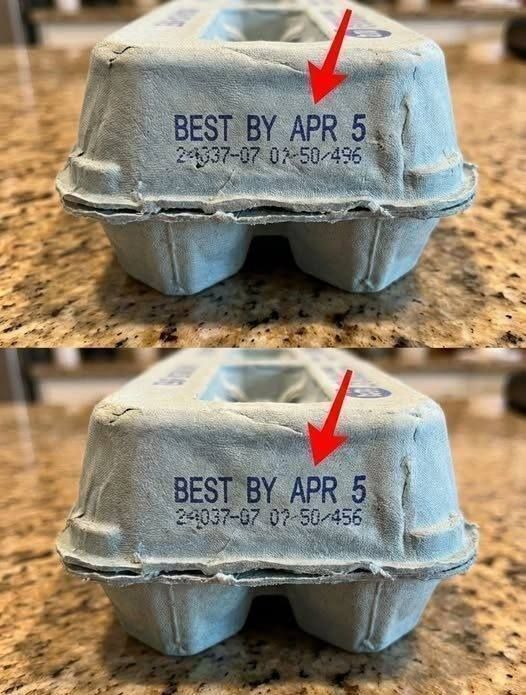
The expiration date on eggs is important for several reasons related to food safety and quality. Here’s a breakdown of why it matters and how to handle eggs to ensure they’re safe to eat:
🥚 Why the Egg Expiration Date Matters:
- Food Safety:
- As eggs age, the risk of bacterial contamination increases, especially from Salmonella. While eggs are usually washed and handled properly in commercial settings, once they pass their expiration date, there’s an increased risk of spoilage and contamination.
- The Egg Safety Center recommends consuming eggs within 3–5 weeks of purchase to minimize risks.
- Quality and Freshness:
- Fresh eggs have thick whites (albumen) and firm yolks. As eggs age, the egg whites thin out, and the yolk becomes more prone to breaking. This affects texture, cooking, and overall quality.
- The expiration date ensures you’re getting the freshest possible egg for recipes, especially where texture matters, like in soufflés, meringues, or poaching.
- Taste:
- Fresh eggs taste better! As eggs get older, they can develop a sulfuric taste due to natural breakdowns in proteins. The fresher the egg, the cleaner and more neutral the flavor.
- Longer Storage = Decreased Quality:
- Refrigeration can extend the shelf life of eggs, but over time, even when stored properly, eggs lose their flavor and texture. The expiration date helps ensure you consume them while they’re at their best.
🧪 How to Tell if an Egg is Still Good
If you’re unsure whether your eggs are still safe after the expiration date, you can perform a simple water test:
- Fill a bowl with water.
- Place the egg in the water.
- If the egg sinks and lays flat on its side, it’s still fresh.
- If it stands upright or floats, it’s no longer fresh, and you should discard it.
This happens because, over time, the egg’s contents shrink as moisture and air enter, causing it to float.
🔴 Signs of Spoiled Eggs:
- Off smell: A rotten egg will have a strong, sulfur-like odor.
- Discoloration or unusual texture: If the egg whites or yolk appear discolored, it’s likely bad.
- Cracked or damaged shells: A cracked shell can let bacteria in, making the egg unsafe.
🗓 Expiration Date vs. Sell-By Date:
- Expiration date refers to the last day the eggs should be consumed.
- Sell-by date indicates when the store should remove the eggs from the shelves. Eggs are usually still good for a week or more after the sell-by date if properly refrigerated.
Storage Tips:
- Always store eggs in the original carton in the coldest part of the refrigerator (not in the door).
- Keep eggs in their shell as much as possible to maintain freshness and prevent them from absorbing odors from other foods in the fridge.
In summary, while eggs can last a little past the expiration date if handled and stored properly, it’s always better to use them before they reach their expiry date to ensure safety, quality, and taste! Would you like tips on storing eggs for even longer?
