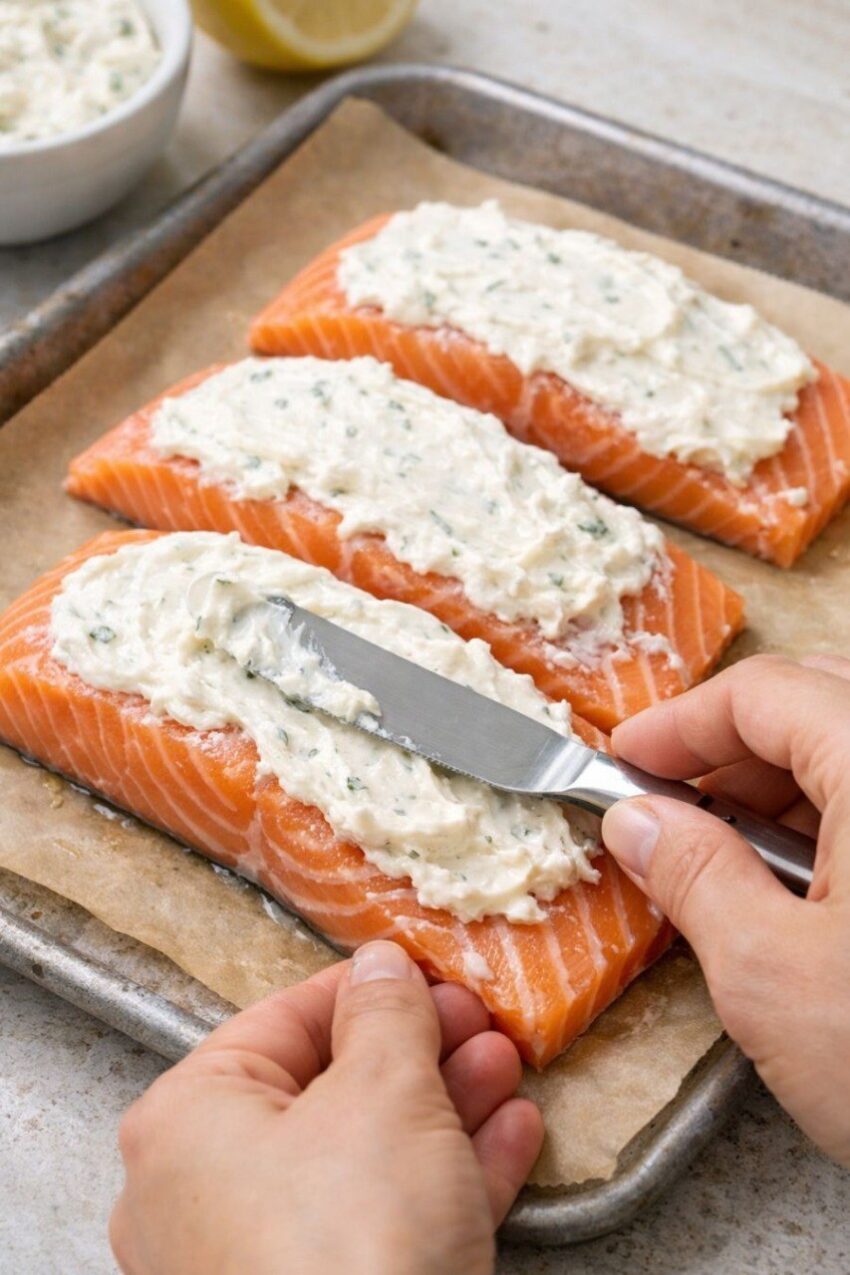
Absolutely! Let’s dive into fish as food—covering its culinary, nutritional, and cultural sides.
🐟 Fish as Food
1. Nutritional Value
- High-quality protein: Fish provides all essential amino acids.
- Healthy fats: Fatty fish (salmon, mackerel, sardines) are rich in omega-3 fatty acids (EPA & DHA), which support heart and brain health.
- Vitamins & minerals: Fish is a great source of vitamin D, B12, iodine, selenium, and zinc.
- Low in saturated fat: Generally, fish is leaner than most meats.
2. Types of Fish
Fish can be categorized in several ways:
By Fat Content
- Lean fish: cod, haddock, tilapia, flounder
- Fatty fish: salmon, trout, sardines, mackerel, tuna
By Habitat
- Freshwater: catfish, bass, trout
- Saltwater: cod, tuna, snapper, halibut
By Culinary Use
- Delicate-flavored: sole, flounder, tilapia → best for light cooking methods
- Bold-flavored: salmon, mackerel → holds up to strong sauces, grilling, or smoking
3. Cooking Methods
- Grilling: adds smoky flavor; works well with firm fish
- Baking/Roasting: gentle and hands-off; great for whole fish
- Pan-searing: crispy exterior, tender interior
- Steaming: preserves nutrients; very common in Asian cuisines
- Poaching: gentle cooking in broth or milk; keeps fish moist
- Smoking/Curing: adds intense flavor and preserves fish (smoked salmon, gravlax)
4. Culinary Considerations
- Freshness matters: fish should smell clean, not “fishy.”
- Texture varies: delicate fish flakes easily; firm fish can hold up to skewers or stews.
- Pairings: herbs (dill, parsley, cilantro), citrus, butter, garlic, olive oil, capers.
5. Cultural Significance
- Fish is central in many cuisines:
- Japanese: sushi, sashimi, grilled fish
- Mediterranean: grilled whole fish, seafood stews
- Filipino: sinigang na isda, tinapa
- Scandinavian: pickled herring, smoked salmon
- Often a symbol of abundance and sustainability in coastal regions.
6. Sustainability Considerations
- Overfishing is a global issue; choose sustainably sourced fish (look for MSC, ASC, or local guidelines).
- Farmed vs wild: both have pros/cons; wild fish are often more flavorful, farmed fish can reduce pressure on wild stocks if done responsibly.
Fish is versatile, nutritious, and culturally rich, making it one of the most important foods worldwide. 🐠
If you want, I can also give a practical guide to cooking fish perfectly at home, including timing and techniques for each type—so it’s tender, flaky, and never overcooked.
Do you want me to do that?
