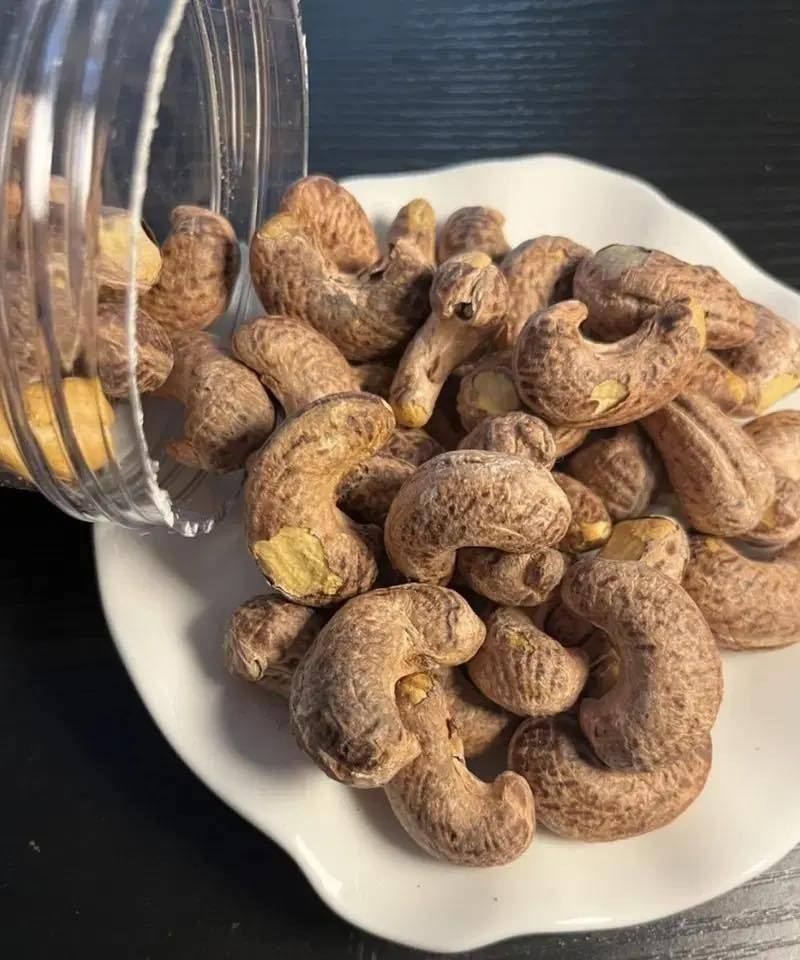
When nutrition experts or doctors talk about what eating cashews “causes,” they usually mean the effects—both good and ones to watch out for depending on how much and how often you eat them. Cashews can be part of a healthy diet, but there are some potential downsides people should know about: (TATA AIG)
✅ Possible Benefits (when eaten in moderation)
- Heart health support: Cashews contain healthy fats that may help lower bad cholesterol and support cardiovascular health when eaten in place of less healthy fats. (WebMD)
- Blood sugar support: Because they’re low in carbs and rich in nutrients like magnesium, they may help with blood sugar control. (WebMD)
- Immune-supporting nutrients: Cashews provide minerals like copper and zinc that are important for immune function. (WebMD)
⚠️ Possible Downsides or Negative Effects
1. Allergic reactions
Cashews are tree nuts, and allergies to them can cause symptoms from hives and itching to severe reactions like anaphylaxis (difficulty breathing, throat swelling), especially in people with nut allergies. (TATA AIG)
2. Digestive issues
Because cashews are high in fat and fiber, eating too many can lead to bloating, gas, cramps, constipation, or diarrhea, particularly in people with sensitive digestion. (TATA AIG)
3. Risk of kidney stones (in susceptible people)
Cashews contain oxalates, which can bind with calcium and contribute to calcium-oxalate kidney stones in those prone to stone formation. (ICICI Lombard)
4. Weight gain if overeaten
They’re calorie-dense (a small handful contains many calories), so eating large quantities regularly without adjusting overall intake can promote weight gain. (ICICI Lombard)
5. Sodium or added fats in processed varieties
Salted or oil-roasted cashews can have high sodium and added fats, which may contribute to high blood pressure or reduced heart-healthy effects if consumed in excess. (ICICI Lombard)
6. Rare toxin issue with truly raw cashews
Truly raw cashews (the kind not sold commercially) contain urushiol, a toxin also found in poison ivy. This is why store-bought “raw” cashews are actually steamed or roasted to remove it—unprocessed raw cashews aren’t safe. (Healthline)
✅ Bottom line: Cashews don’t “cause” a specific disease on their own. In moderate amounts, they’re nutritious and can even support heart, metabolic, and immune health. But eating too many—especially salted or heavily processed ones—can contribute to digestive discomfort, weight gain, or other issues, and people with allergies or a history of kidney stones should be especially careful. (TATA AIG)
If you want, I can list how many cashews per day experts recommend for health benefits without most of the potential risks!
