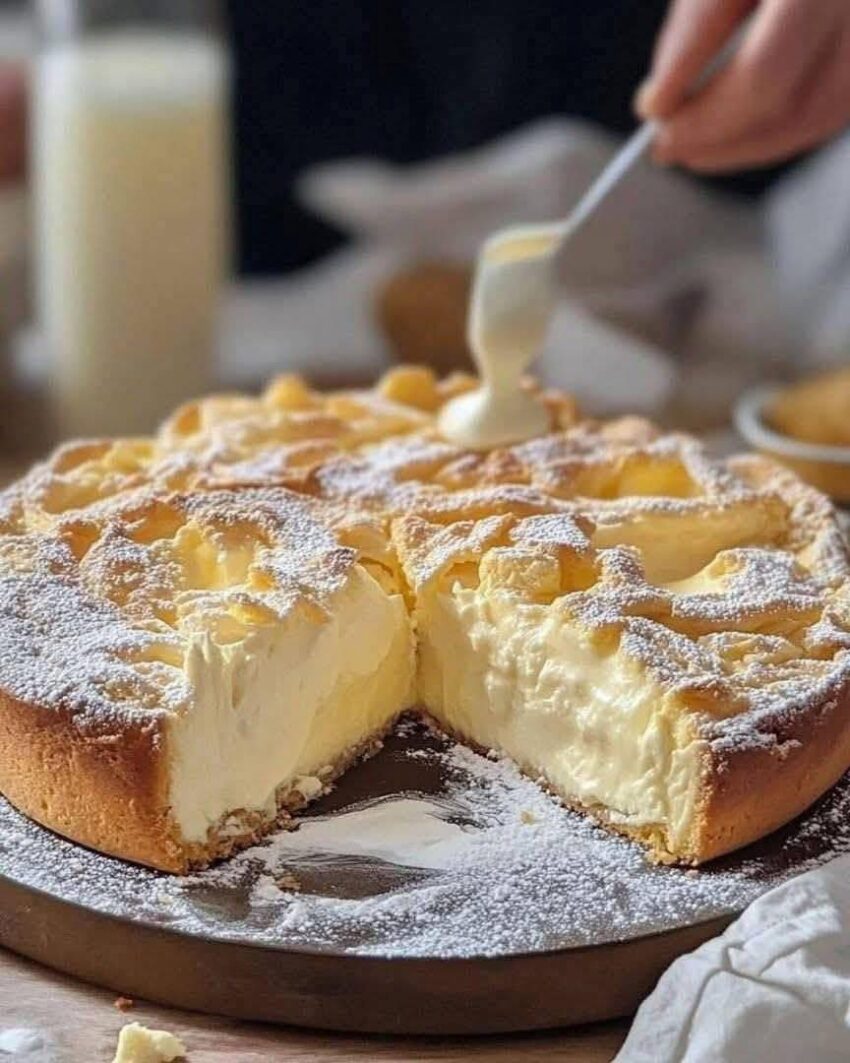
Ah, chiffon cake! That’s a wonderfully light, airy, and fluffy cake that sits somewhere between a sponge cake and an oil cake. It’s famous for its soft texture, tender crumb, and subtle sweetness. Unlike butter cakes, it uses vegetable oil instead of butter, which keeps it moist, and it relies heavily on whipped egg whites for its lift rather than chemical leaveners alone.
Here’s a quick breakdown of what makes a chiffon cake special:
Key Ingredients:
- Egg yolks – provide richness and structure
- Egg whites – whipped to stiff peaks, giving the cake its airy texture
- Vegetable oil – keeps the cake moist and tender
- Sugar – usually separated for yolks and whites
- Cake flour – lighter than all-purpose, helps create a delicate crumb
- Baking powder – gives extra lift
- Liquid (water, milk, or juice) – hydrates the batter
- Flavorings – like vanilla, lemon, or orange zest
Technique Tips:
- Whip the egg whites carefully: Overwhipping can cause the whites to collapse; underwhipping won’t give enough lift.
- Fold gently: When combining whites and yolk mixture, fold gently to retain air.
- Bake in an ungreased tube pan: This allows the cake to cling to the sides and rise fully.
- Cool upside down: This prevents the cake from collapsing and keeps it tall and fluffy.
The result? A light, cloud-like cake that practically melts in your mouth. You can serve it plain, dusted with powdered sugar, or with fresh fruit and whipped cream.
If you want, I can give you a full step-by-step chiffon cake recipe that’s foolproof. Do you want me to do that?
