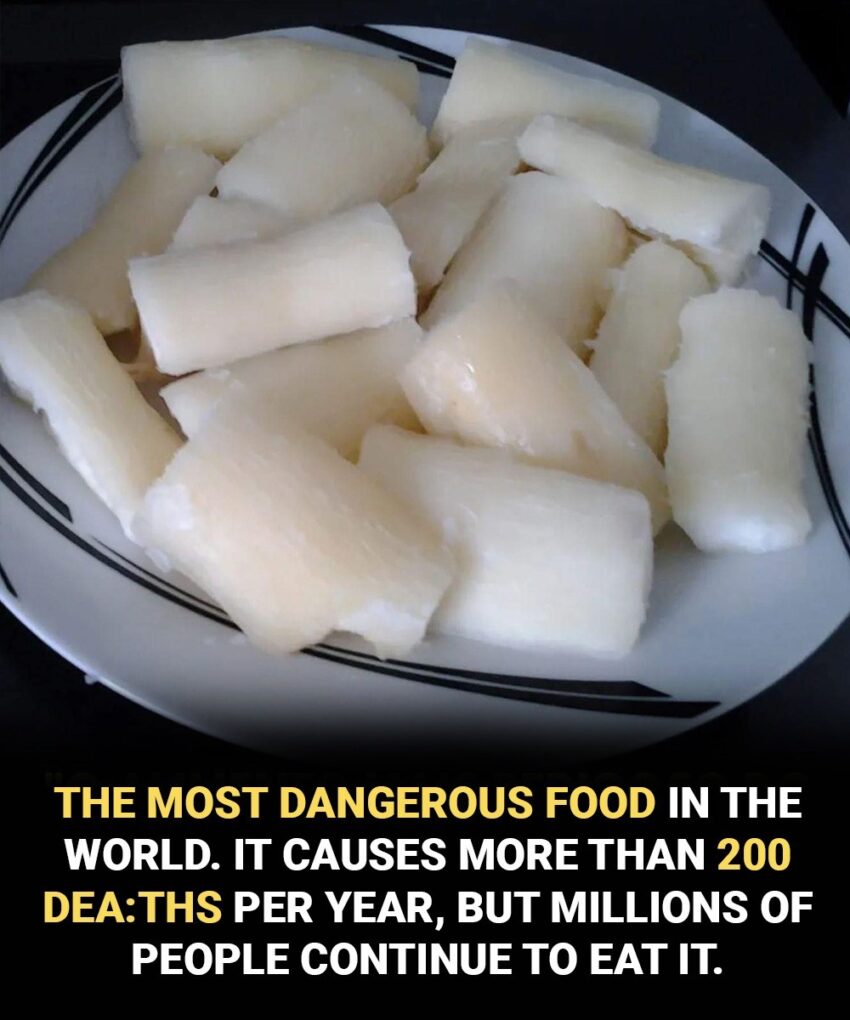
Cassava 🌿, also known as yuca or manioc, is a starchy root vegetable widely consumed in Africa, Latin America, and parts of Asia. It’s a versatile, carbohydrate-rich food used in many traditional dishes.
🌟 Nutritional Benefits (per 100g, raw)
- Calories: ~160
- Carbohydrates: ~38g
- Fiber: ~1.8g
- Protein: ~1.4g
- Vitamin C: ~20% of daily value
- Minerals: calcium, magnesium, potassium
💪 Health Benefits
- Energy-rich – High in complex carbs, making it an excellent source of sustained energy.
- Gluten-free – Naturally safe for those with celiac disease or gluten sensitivity.
- Supports digestion – Contains some dietary fiber to aid gut health.
- Rich in vitamin C – Supports immunity and skin health.
- Versatile for diets – Can be included in vegetarian, vegan, or paleo diets.
🍳 Cooking Methods
- Boiled or steamed – Peel and boil until soft; can be eaten plain or mashed.
- Fried – Cut into sticks or chips for a crunchy snack.
- Baked – Similar to potatoes, slices can be roasted with oil and spices.
- Ground into flour – Used for baking, making flatbreads, or tapioca pearls.
🥗 Popular Uses
- Fufu – African mashed cassava dish often served with soups or stews
- Cassava fries – Crispy fried sticks
- Tapioca pearls – Used in desserts and bubble tea
- Cassava cake or pudding – Popular in Southeast Asia and Latin America
⚠️ Note on Preparation
- Raw cassava contains cyanogenic compounds which can be toxic if not properly prepared. Always peel and cook thoroughly before eating.
- Sweet cassava varieties are safer for direct cooking; bitter varieties need soaking and extended boiling.
If you want, I can make a list of 7 easy cassava recipes ranging from snacks to main dishes that are safe and delicious. Do you want me to do that?
