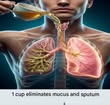
Here’s a clear overview of the anatomy of the respiratory system based on educational material similar to what you’d find in a Stanford‑linked resource: (Stanford Medicine Children’s Health)
🫁 Respiratory System Overview
The respiratory system is the group of organs responsible for breathing — taking in oxygen (inhaling) and releasing carbon dioxide (exhaling). (Stanford Medicine Children’s Health)
🧠 Major Divisions
The respiratory system is divided into two main regions: (Stanford Medicine Children’s Health)
1️⃣ Upper Respiratory Tract
- Nose & nasal cavity
- Mouth
- Sinuses
- Throat (pharynx)
- Voice box (larynx)
- Trachea (windpipe)
These structures filter, warm, and humidify the air you breathe in. (Stanford Medicine Children’s Health)
2️⃣ Lower Respiratory Tract
- Lungs
- Bronchi and bronchioles (airways)
- Air sacs (alveoli)
This region is where actual gas exchange with the bloodstream occurs. (Stanford Medicine Children’s Health)
🫁 How Air Travels Through the System
- Air enters through the nose or mouth.
- Moves through the pharynx → larynx → trachea.
- The trachea splits into two main bronchi (one for each lung).
- Bronchi branch into smaller bronchioles inside the lungs.
- Finally, air reaches tiny alveoli, where oxygen enters the blood and carbon dioxide exits. (Stanford Medicine Children’s Health)
🌬️ Lungs & Gas Exchange
- The lungs are pair of cone‑shaped organs occupying most of the chest cavity. They’re made of spongy tissue and surrounded by a membrane called the pleura. (Stanford Medicine Children’s Health)
- The right lung usually has three lobes; the left lung has two, making room for the heart. (Stanford Medicine Children’s Health)
- Alveoli are tiny air sacs where the exchange of oxygen and carbon dioxide occurs with the bloodstream. (Stanford Medicine Children’s Health)
🫁 Function in Simple Terms
- Inhaling takes oxygen into the lungs.
- Oxygen passes from the alveoli into blood vessels and is delivered to the rest of the body.
- Exhaling removes carbon dioxide, a waste product from the body’s cells. (Stanford Medicine Children’s Health)
🧠 Fun Fact
The respiratory system not only helps you breathe but also plays roles in:
- Filtering and warming air
- Voice production (via the larynx)
- Defending against pathogens and particles
If you want, I can share labeled diagrams or a study‑friendly chart for the respiratory anatomy as well — just let me know! 📉
