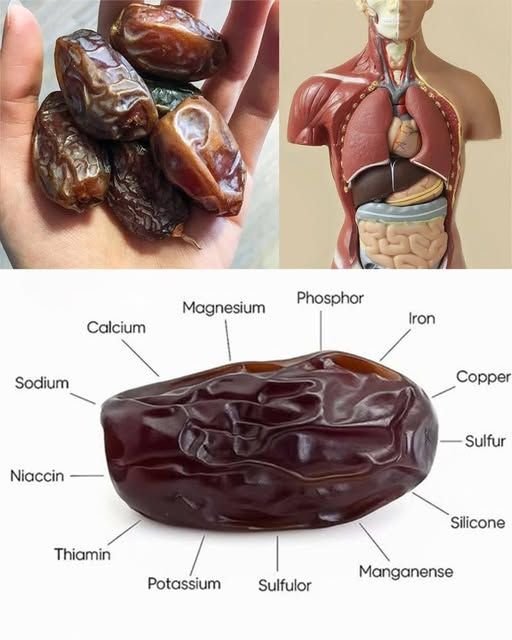
A date palm is a tropical or subtropical palm tree known for producing dates, the sweet edible fruits widely consumed around the world. It’s one of the oldest cultivated plants and has both economic and cultural significance, especially in the Middle East and North Africa. Here’s a detailed overview:
Scientific Classification
- Scientific Name: Phoenix dactylifera
- Family: Arecaceae (palm family)
- Genus: Phoenix
- Species: dactylifera
Description
- Height: Can grow 15–25 meters (50–80 feet) tall.
- Trunk: Single, sturdy, and columnar, usually covered with leaf scars.
- Leaves: Long, feather-like fronds, 3–5 meters in length.
- Flowers: Small, yellowish, grow in large clusters. Date palms are dioecious, meaning male and female flowers grow on separate plants. Only female trees produce fruit if pollinated.
- Fruit (Dates): Oval, 2–7 cm long, varies in color from yellow to deep brown when ripe. Rich in sugars, fiber, and nutrients.
Growing Conditions
- Climate: Hot and arid to semi-arid regions; thrives in deserts with long, hot summers.
- Soil: Well-drained sandy loam or alluvial soils.
- Watering: Needs plenty of water, especially during fruiting, but tolerant of high salinity.
- Pollination: Often done manually in commercial cultivation to ensure fruit set.
Uses
- Culinary: Fresh or dried dates, date syrup, date sugar, desserts, and snacks.
- Agricultural: Date palm leaves can be used for weaving mats, baskets, and roofing.
- Cultural & Religious: Dates are highly significant in Islamic tradition, especially during Ramadan.
- Ecological: Provides shade and habitat in arid regions.
Interesting Facts
- Date palms have been cultivated for over 6,000 years.
- Some date palms can live and produce fruit for over 100 years.
- There are hundreds of date varieties, with Medjool and Deglet Noor being the most famous commercially.
If you want, I can also explain how to grow a date palm at home and the exact conditions for fruiting—it’s surprisingly doable in warm climates.
Do you want me to cover that?
