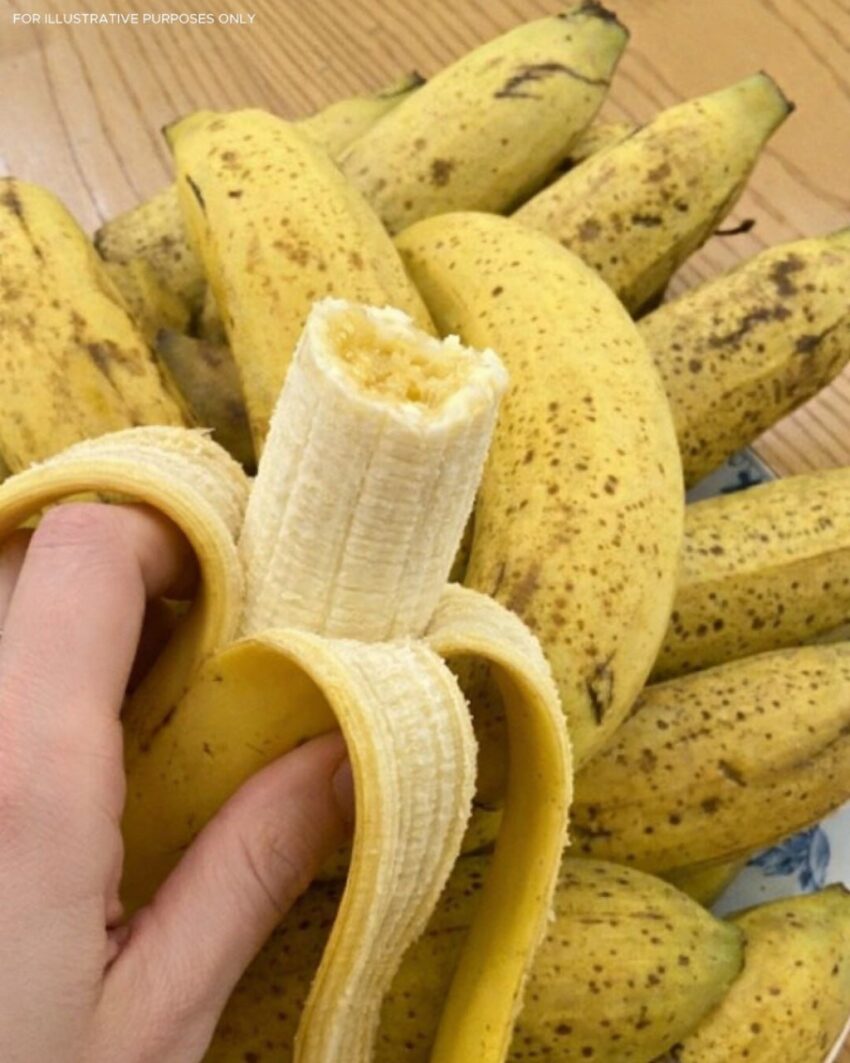
A Cavendish banana is the most common type of banana found in grocery stores worldwide 🍌. Here’s a detailed overview:
Overview
- Scientific name: Musa acuminata
- Type: Dessert banana (sweet, eaten raw)
- Color: Green when unripe; turns bright yellow as it ripens, sometimes with brown speckles when fully ripe
- Size: Typically 6–9 inches long
- Texture & Flavor: Soft, creamy, and sweet when ripe; slightly firm and starchy when unripe
Uses
- Raw eating: A staple snack due to natural sweetness and portability
- Smoothies: Blends well for creamy texture
- Baking: Great in banana bread, muffins, pancakes, and cakes
- Frozen treats: Slice and freeze for smoothies or banana “nice cream”
Nutritional Highlights (per medium banana, ~118g)
- Calories: 105
- Carbohydrates: 27g
- Fiber: 3g
- Sugar: 14g
- Vitamin C: 10% DV
- Potassium: 422 mg (good for heart and muscle function)
Tips
- Ripening: Store at room temperature; bananas ripen faster in a paper bag.
- Storage: Ripe bananas can be refrigerated; the peel may darken, but the fruit stays firm.
- Freezing: Peel and slice before freezing for smoothies or baking.
The Cavendish banana dominates global markets because it resists transport damage well, though it’s vulnerable to certain diseases like the Panama disease.
I can also give a quick guide to ripeness stages for Cavendish bananas and best uses for each stage if you want.
