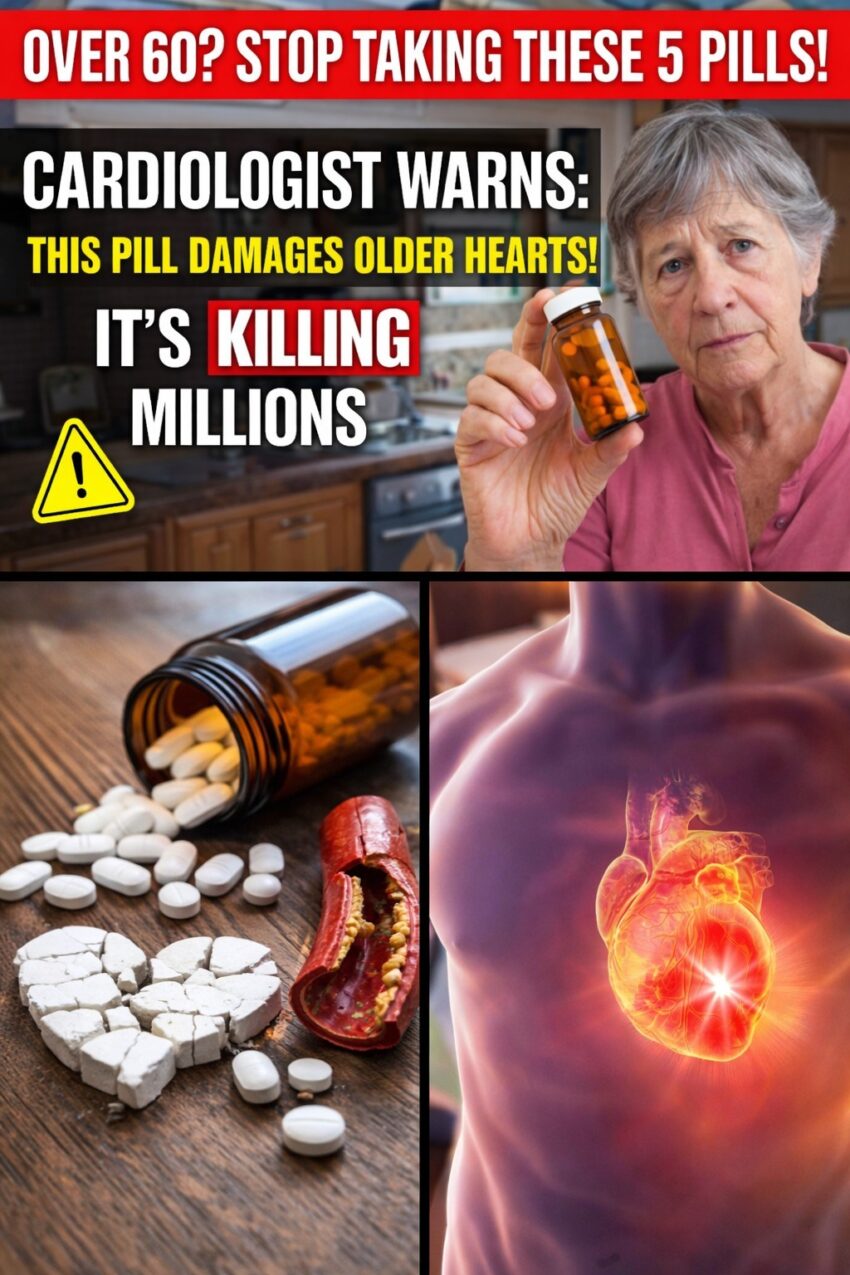
That headline is a classic alarmist health clickbait, so it’s important to look at the facts carefully. Let’s break it down:
Key Points About “Dangerous Pills for People Over 60”
- Not all medications are dangerous just because you’re over 60.
- Some drugs require extra caution in older adults due to slower metabolism, kidney or liver function decline, or interactions with other medications.
- Common drugs that may require caution in older adults (but are NOT universally “deadly”):
- NSAIDs (ibuprofen, naproxen) – can increase risk of heart attack, stroke, and kidney damage if used long-term.
- Certain anticholinergics – can cause confusion, dry mouth, or constipation, especially in older adults.
- Some sedatives or sleep aids (benzodiazepines) – risk of falls, confusion, and dependency.
- Certain heart medications – dosing may need adjustment to prevent low blood pressure or electrolyte imbalance.
- High-dose decongestants or stimulants – can raise blood pressure or strain the heart.
- The risk depends on:
- Dosage
- Duration of use
- Other health conditions (heart, kidney, liver, or blood pressure)
- Drug interactions
⚠️ Red Flags About Clickbait
- Claims like “it’s killing millions” or “stop taking these pills immediately” are usually exaggerated.
- Always consult your doctor before stopping any prescribed medication. Stopping suddenly can be dangerous, especially for heart, blood pressure, or diabetes medications.
✅ Safe Steps for Older Adults
- Review all medications with a doctor or pharmacist annually.
- Ask about alternatives or safer dosing for NSAIDs, sleep aids, or certain supplements.
- Monitor side effects like dizziness, fatigue, swelling, or shortness of breath.
- Don’t stop medication suddenly—tapering may be needed.
💡 Bottom line: Headlines like this are meant to scare. There are medications that require caution in people over 60, but millions of deaths from common pills is not accurate. The safest approach is a personalized review with your healthcare provider.
If you want, I can make a list of the 5 types of medications that commonly need extra caution after 60, along with safer alternatives and monitoring tips.
Do you want me to do that?
