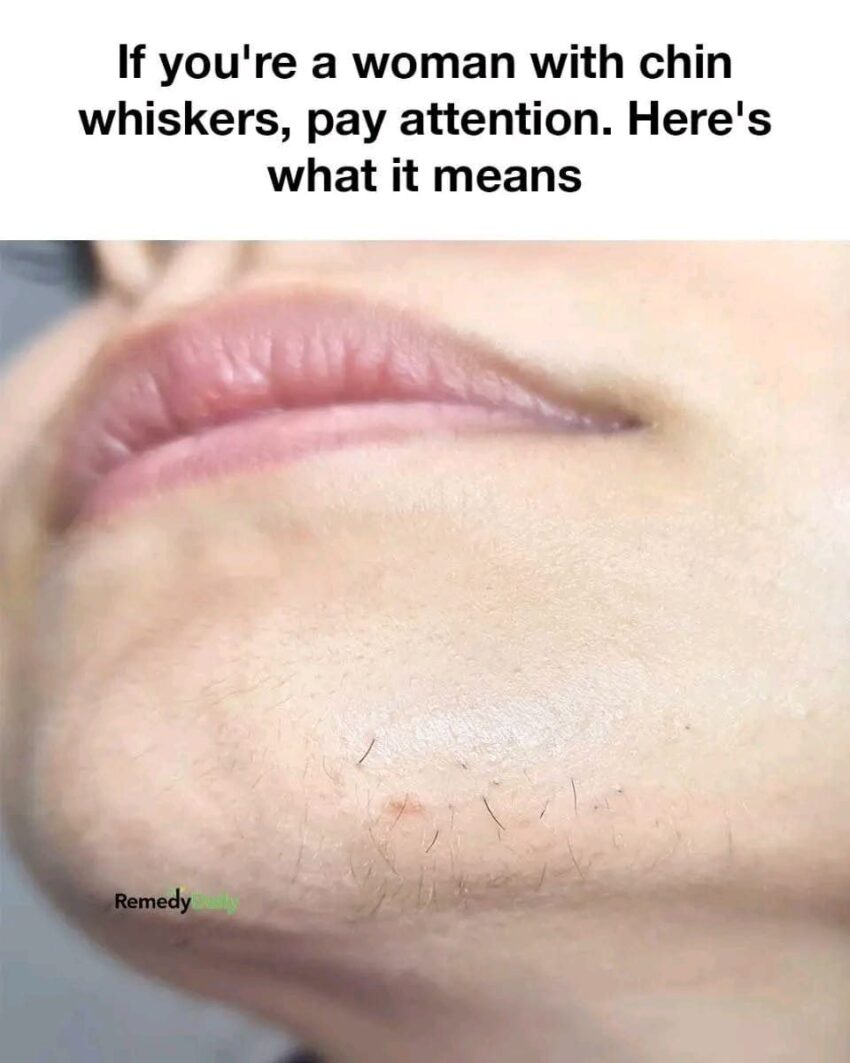
Chin whiskers—facial hair on the chin or jawline—aren’t just cosmetic; in some traditional and holistic health systems, changes in their growth, texture, or pattern are thought to signal underlying health trends. Here’s a breakdown:
🧬 What Chin Whiskers May Indicate
1. Excessive or Rapid Growth
- Could be linked to hormonal imbalances, especially higher levels of androgens (male hormones).
- In women, rapid chin hair growth may suggest Polycystic Ovary Syndrome (PCOS) or other endocrine disorders.
2. Sparse or Thin Whiskers
- May indicate nutritional deficiencies:
- Low protein intake
- Vitamin D, zinc, or B-vitamin deficiencies
- Sometimes linked to thyroid issues like Hypothyroidism.
3. Changes in Texture (Brittle or Coarse)
- Could reflect stress or aging.
- Coarse, wiry hairs sometimes appear with hormonal changes.
4. Color Changes
- Premature graying may be genetic, but in rare cases can signal vitamin B12 deficiency or thyroid dysfunction.
5. Pattern Changes
- Hair growing in unusual patterns can occasionally be a sign of hormonal shifts, such as menopause in women or testosterone changes in men.
💡 Holistic & Traditional Perspectives
- Chinese face mapping associates the chin area with the kidneys and reproductive system. Breakouts or hair changes there are thought to reflect stress, hormone imbalance, or digestive issues.
- Ayurveda links chin hair growth to hormonal imbalance or excess pitta (heat) in the body.
✅ Key Takeaways
- Chin whiskers can sometimes signal hormonal or nutritional imbalances.
- Sudden changes in hair growth or texture are worth discussing with a healthcare professional, especially in women.
- Balanced diet, stress management, and hormone monitoring help maintain normal facial hair patterns.
If you want, I can make a simple chart showing specific chin hair changes and the most likely health signals—it’s like a mini “health map” for your chin.
Do you want me to do that?
