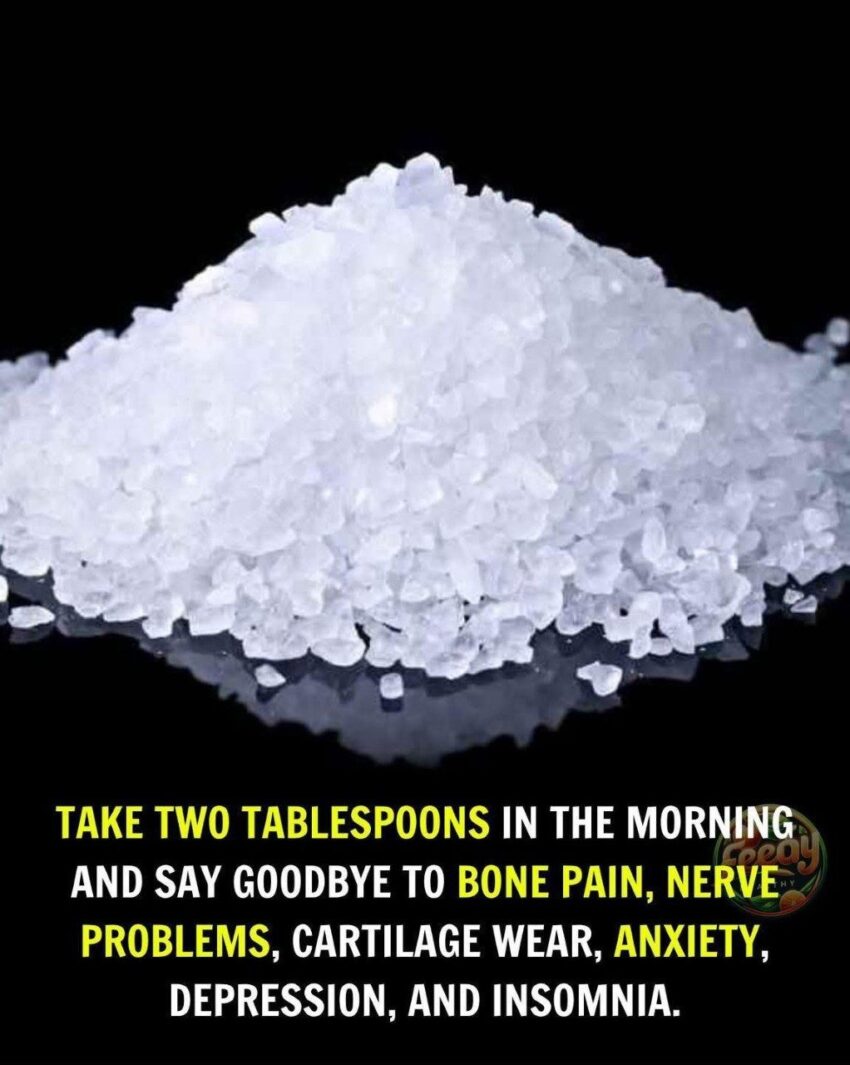
Sodium chloride is a very common chemical compound better known as table salt. It’s essential in many biological and industrial processes.
🧂 Basic Information
- Chemical formula: NaCl
- Type: Ionic compound
- Appearance: White crystalline solid
- Solubility: Highly soluble in water
- Common names: Table salt, rock salt
🌿 Natural Sources
- Seawater (evaporation produces sea salt)
- Rock deposits (halite)
- Salt lakes
⚡ Uses of Sodium Chloride
1. Culinary
- Seasoning and flavor enhancer
- Preservative for meats, pickles, and other foods
2. Industrial
- Production of chemicals (chlorine, sodium hydroxide)
- De-icing roads in winter
- Water softening
3. Medical
- Saline solutions for IV therapy
- Oral rehydration solutions
- Electrolyte balance in the body
🧬 Biological Role
- Maintains fluid balance in cells and tissues
- Essential for nerve impulse transmission
- Supports muscle function
⚠️ Health Considerations
- Recommended intake: ~2,300 mg sodium/day (≈1 tsp salt)
- Excess intake: Can lead to high blood pressure, cardiovascular disease, kidney issues
- Deficiency (rare): Causes hyponatremia—nausea, headache, confusion, muscle cramps
💡 Fun Fact
Sodium chloride has been so important historically that it was used as currency in some cultures—hence the word “salary” originates from “sal” (Latin for salt).
If you want, I can explain how sodium chloride interacts with medications and supplements, which is important for health management.
