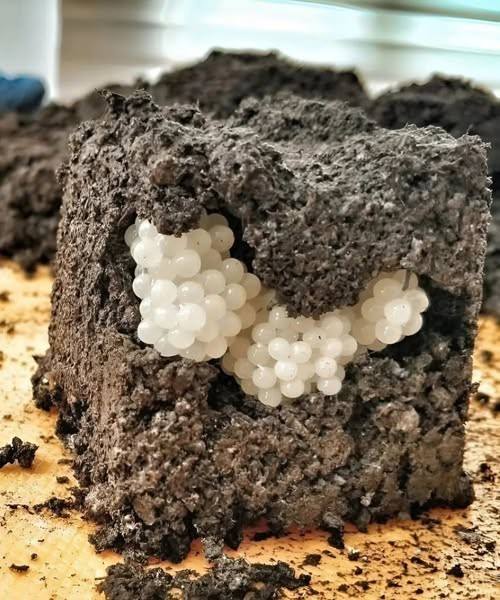
A pupa is the life stage of certain insects between the larva and the adult (imago). It’s a key stage in complete metamorphosis (holometabolism), where the insect undergoes major transformation.
Key Features
- Immobility: Pupae are usually inactive, often protected by a cocoon or chrysalis.
- Development: Inside the pupa, the larval tissues break down and reorganize into adult structures (wings, legs, antennae, etc.).
- Duration: Varies by species—from days to months, depending on environment and insect type.
Types of Pupae
- Obtect pupae: Appendages are glued to the body (e.g., butterflies, moths).
- Exarate pupae: Appendages are free and visible (e.g., beetles, flies).
- Coarctate pupae: Enclosed in a hardened larval skin or cocoon (e.g., some flies).
Examples
- Butterflies: Caterpillar → chrysalis → adult butterfly
- Beetles: Larva → pupal stage inside soil or wood → adult beetle
- Flies: Maggot → puparium → adult fly
Significance
- The pupa stage allows complete transformation of body structures.
- It often provides protection while the insect is vulnerable.
- Critical for survival in harsh conditions or seasonal changes.
If you want, I can also explain what exactly happens inside a pupa—how the larva reorganizes into an adult insect step by step.
Do you want me to do that?
