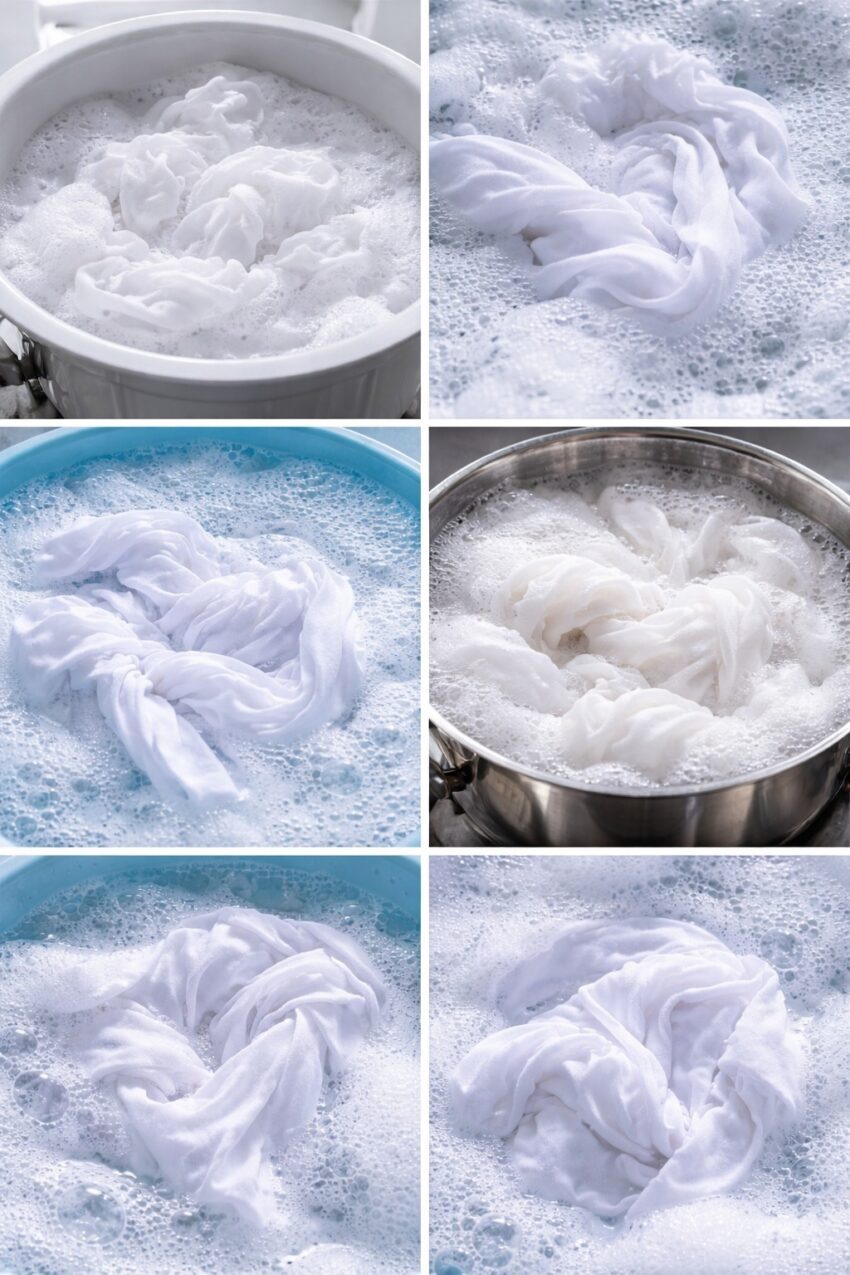
If you want your laundry to be white and bright like milk, the key is a combination of sorting, stain treatment, proper detergents, and natural or chemical whitening boosters. Here’s a detailed guide:
1. Sort Whites Separately
- Wash white clothes separately from colored fabrics to prevent dye transfer.
- Include only whites or very light pastels.
2. Choose the Right Detergent
- Use a detergent specifically formulated for whites.
- Detergents with enzymes break down protein stains (like sweat, blood, or food).
3. Pretreat Stains
- Treat stains immediately:
- Protein stains: Cold water + enzyme-based pre-wash
- Oil stains: Dish soap or liquid laundry detergent
- Tough stains: Baking soda paste or lemon juice + salt
4. Whitening Boosters
- Oxygen bleach (non-chlorine): Safe for most fabrics, adds brightness
- Baking soda: ½ cup per load helps whiten and deodorize
- White vinegar: ½ cup in the rinse cycle softens clothes and brightens whites
- Lemon juice: ¼ cup added to hot water naturally brightens whites
5. Wash Settings
- Water temperature: Hot for cottons and linens (check care label)
- Cycle: Normal or heavy-duty for cottons; gentle for delicates
- Load size: Don’t overload; clothes need room to move
6. Drying
- Sunlight: Naturally bleaches and disinfects whites—dry outdoors if possible
- Avoid over-drying: High heat can yellow fabrics over time
Extra Laundry Hack
- Milk soak trick: Lightly yellowed whites can be soaked in cold milk for 30–60 minutes, then washed normally. Proteins in milk can brighten fabric naturally.
- Regular washing: Wash whites frequently to prevent dinginess.
💡 Pro tip: Avoid mixing bleach with ammonia or vinegar—they produce harmful fumes.
If you want, I can give you a “super white laundry formula” using common household ingredients that can make your whites almost look like freshly poured milk—it’s a favorite trick among laundry enthusiasts.
Do you want me to give that formula?
