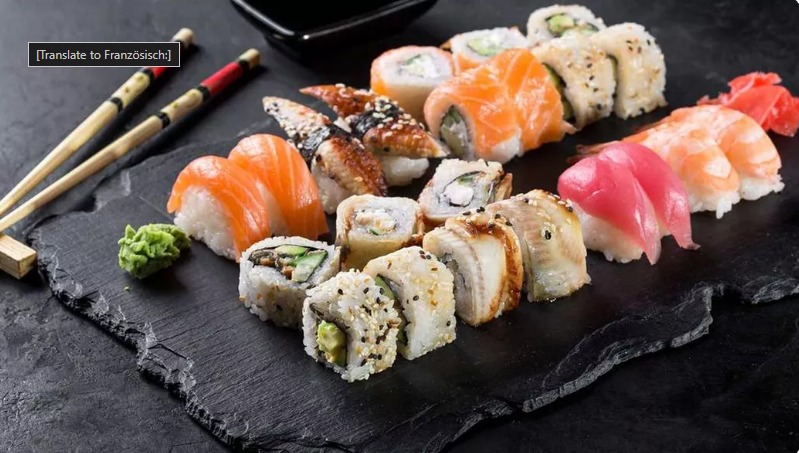
Japanese cuisine is a rich culinary tradition known for its fresh ingredients, delicate flavors, and artistic presentation. It balances taste, texture, and aesthetics, emphasizing seasonal and high-quality ingredients.
Key Characteristics 🍣
- Freshness: Raw or lightly cooked ingredients, especially seafood
- Simplicity: Minimalist seasoning; natural flavors shine
- Umami: Savory taste from soy sauce, miso, seaweed, and dashi broth
- Balance: Focus on colors, textures, and seasonal ingredients
Staple Ingredients 🌿
- Rice: Short-grain Japanese rice is central
- Seafood: Fish, shellfish, and seaweed
- Soy products: Tofu, soy sauce, miso
- Vegetables: Daikon radish, bamboo shoots, mushrooms
- Noodles: Udon, soba, ramen
Popular Dishes 🍱
- Sushi & Sashimi – Raw fish or seafood served with rice or on its own
- Tempura – Lightly battered and deep-fried seafood or vegetables
- Ramen – Noodles in flavorful broth with meat, vegetables, and eggs
- Okonomiyaki – Savory pancakes with cabbage, meat, or seafood
- Miso Soup – Traditional soup made with miso paste, tofu, and seaweed
- Yakitori – Grilled skewered chicken seasoned with sauce or salt
- Onigiri – Rice balls filled with pickles, fish, or meat
Dining Culture
- Meals are often served in small portions for variety
- Chopsticks are standard utensils
- Presentation is considered an art, with careful attention to color and plating
If you want, I can make a short list of easy Japanese recipes that you can try at home using ingredients available in Pakistan.
