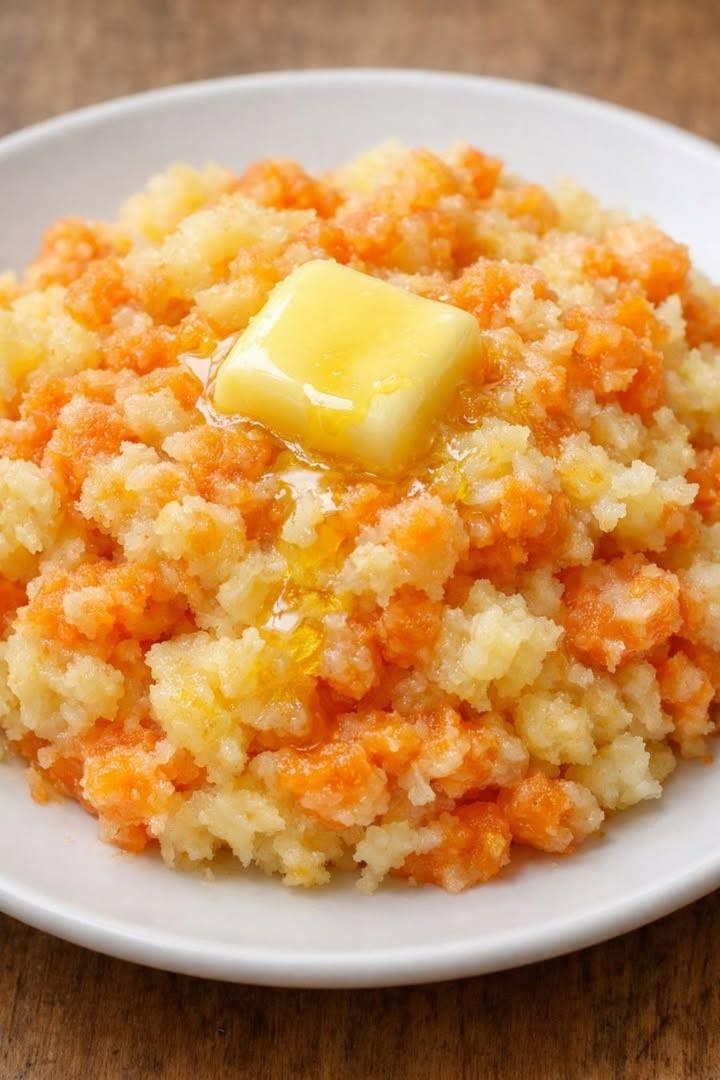
Couscous is a traditional staple food made from tiny steamed granules of semolina (wheat). It’s widely eaten in North Africa and has become popular worldwide because it’s quick, versatile, and nutritious.
🌍 Origin
- Common in Morocco, Algeria, Tunisia, and Libya
- Often served during family meals and gatherings
🍽️ Types of Couscous
- Traditional (Moroccan) – very fine, cooks quickly
- Israeli (Pearl couscous) – larger, round, slightly chewy
- Lebanese couscous – biggest size, more like small pasta
👩🍳 How It’s Prepared
- Add couscous to a bowl
- Pour hot water or broth over it
- Cover and let sit for 5–10 minutes
- Fluff with a fork
👉 Traditional versions are steamed multiple times for better texture
🥗 Ways to Eat
- With vegetables and chickpeas
- With chicken, lamb, or beef stew
- As a salad (with tomatoes, herbs, lemon)
- Sweet version with raisins and nuts
💪 Nutrition
- Good source of carbohydrates (energy)
- Contains some protein
- Low in fat
- Whole wheat versions provide more fiber
⚠️ Notes
- Not gluten-free (made from wheat)
- Best served fluffy—not sticky
🧠 Fun Fact
In many North African cultures, couscous is traditionally eaten from a shared large dish, symbolizing community and togetherness.
If you want, I can give you a simple chicken or vegetable couscous recipe you can easily make at home.
