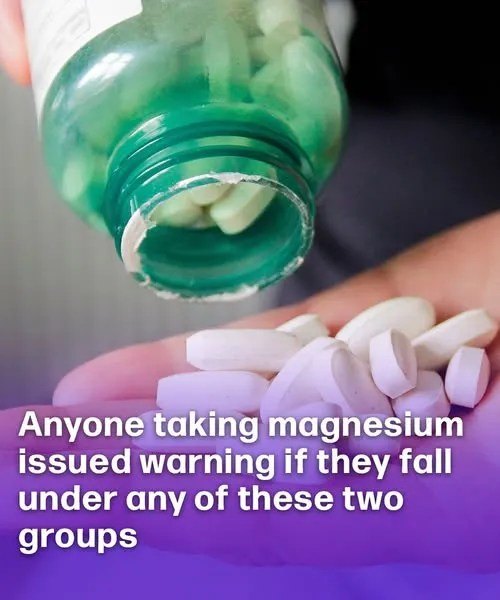
⚠️ Magnesium Supplements: Warnings for High-Risk Groups
Magnesium supplements are widely used for muscle, nerve, and bone health, but certain people need to be cautious because excessive magnesium can be harmful.
🩺 High-Risk Groups
- Kidney Disease Patients
- Impaired kidney function can cause magnesium buildup (hypermagnesemia), leading to muscle weakness, low blood pressure, or heart problems.
- Heart Conditions
- Individuals with arrhythmias, heart block, or hypotension should monitor magnesium intake, as it can affect heart rhythm and blood pressure.
- Digestive Disorders
- People with Crohn’s disease, ulcerative colitis, or chronic diarrhea may have altered absorption, increasing the risk of side effects like diarrhea and cramps.
- Older Adults
- Age-related kidney decline increases the risk of magnesium toxicity, especially with high-dose supplements.
- Medication Interactions
- Magnesium supplements can interfere with antibiotics, diuretics, certain heart medications, and bisphosphonates, reducing their effectiveness or causing side effects.
⚠️ Possible Side Effects of Excess Magnesium
- Nausea, vomiting, diarrhea
- Low blood pressure and dizziness
- Irregular heartbeat
- Severe toxicity (rare): confusion, muscle weakness, cardiac arrest
✅ Safety Tips
- Consult a healthcare provider before supplementing, especially if you have chronic conditions.
- Stick to recommended daily allowances:
- Adult men: 400–420 mg/day
- Adult women: 310–320 mg/day
- Prefer dietary sources like leafy greens, nuts, seeds, and whole grains.
💡 Fun Fact: Magnesium is involved in over 300 enzymatic reactions in the body—too little can impair energy production, and too much can be dangerous for vulnerable individuals.
I can also create a visual chart showing magnesium dosing and risk warnings for different groups to make it easy to follow.
